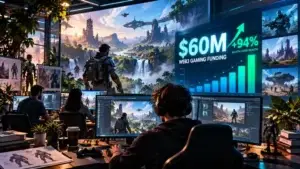
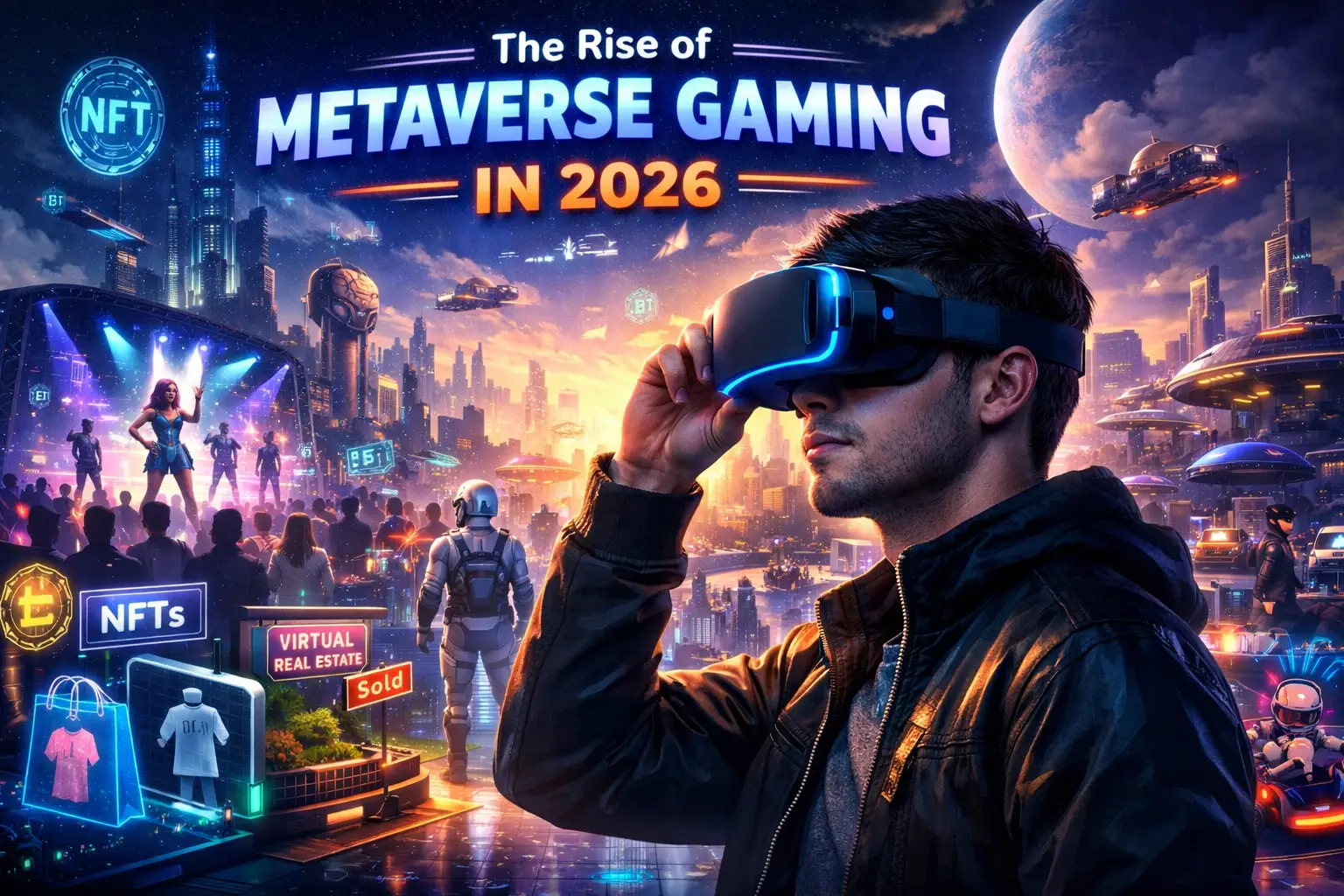
Metaverse gaming is no longer just a futuristic concept—it is rapidly becoming a core part of the global gaming ecosystem. By 2026, the metaverse gaming market is projected to reach nearly $95 billion, driven by advancements in virtual reality (VR), augmented reality (AR), blockchain technology, and persistent digital environments.
This transformation is especially visible in regions like the United States, Europe, China, Canada, and Australia, where tech companies and gaming studios are heavily investing in immersive experiences. Today’s gamers are no longer satisfied with isolated gameplay—they want living digital worlds where they can socialize, create, earn, and build long-term identities.
What Is Metaverse Gaming?
Metaverse gaming refers to persistent virtual worlds that continue to exist and evolve even when players are offline. Unlike traditional games that reset or pause, these environments operate continuously, creating a sense of realism and continuity.
These ecosystems typically include:
- Digital identities (avatars)
- Player-owned assets
- Social and collaborative spaces
- Virtual economies
- Live events and experiences
- Creator tools and customization
- Cross-platform accessibility
Think of metaverse gaming as a powerful fusion of gaming, social media, digital ownership, and the creator economy—all within a shared virtual universe.
Popular platforms already embracing this model include:
- Roblox
- Fortnite Creative
- Decentraland
- The Sandbox
- VRChat
What sets them apart is their emphasis on social presence and continuity, not just gameplay.
How Metaverse Games Work
Metaverse gaming is powered by a combination of advanced technologies including NFTs that work seamlessly together:
1. Persistent Online Worlds
These virtual environments remain active 24/7, evolving even when players are offline. When users return, they may find:
- New updates and features
- Changing landscapes
- Player-driven economies
- Community-created content
- Replayable live events
This persistence builds deeper emotional engagement and long-term player retention.
2. Digital Ownership
Players can own in-game assets such as:
- Avatars and skins
- Virtual land
- Accessories
- Collectibles
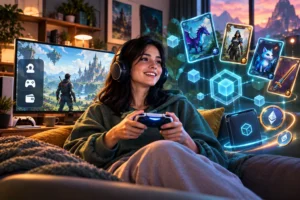
In Web3-based metaverses, blockchain ensures that ownership is secure, verifiable, and transferable, allowing players to trade or monetize their assets.
3. User-Generated Content
One of the biggest drivers of metaverse growth is the creator economy. Players are no longer just consumers—they are creators.
They can build:
- Custom maps and mini-games
- Virtual businesses and stores
- Concerts and events
- Brand collaborations
This user-driven ecosystem significantly expands content and engagement.
4. Cross-Platform Access
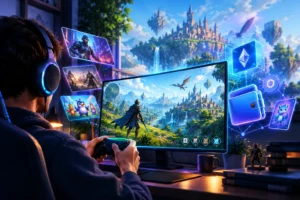
Modern metaverse games are designed for accessibility across:
- PC
- Mobile devices
- Consoles
- VR headsets
- AR integrations
This flexibility ensures wider adoption and allows players to stay connected anytime, anywhere.
Why Metaverse Gaming Is the Future
The shift toward metaverse gaming represents a fundamental change in how we experience digital entertainment. Instead of simply playing games, users are now living inside them.
Key reasons behind this shift include:
- Stronger digital identity and self-expression
- Social connection and community building
- Creative freedom for players
- Real-world monetization opportunities
- Persistent achievements and progress
Gaming is evolving into always-on digital societies, where players participate in economies, cultures, and experiences that extend beyond gameplay.
Top Metaverse Gaming Trends in 2026
1. AI-Generated Virtual Worlds
Artificial intelligence is transforming game development by enabling:
- Dynamic quests and missions
- Intelligent NPC behavior
- Auto-generated environments
- Personalized player experiences
This allows developers to scale faster while delivering richer, more adaptive worlds.
2. Virtual Commerce Expansion
Brands are rapidly entering metaverse platforms, creating new revenue streams through:
- Digital fashion and wearables
- NFT collectibles
- Virtual real estate
- Live shopping experiences
- Branded virtual spaces
This trend is particularly strong in major innovation hubs worldwide.
3. Social Events and Digital Communities
Metaverse platforms are becoming hubs for:
- Virtual concerts
- Esports tournaments
- Community gatherings
- Creator events
These experiences blur the line between gaming, entertainment, and social networking.
4. Mobile-First Metaverse Growth
In 2026, accessibility is key. Mobile-first metaverse platforms are expanding rapidly, especially in emerging markets.
These platforms function more like digital cities than games, enabling users to:
- Socialize
- Work
- Create
- Trade
All from a smartphone.
Challenges in Metaverse Gaming
Despite its rapid growth, the metaverse still faces several challenges:
- High hardware costs (VR devices)
- Data privacy and security concerns
- Content moderation issues
- Ownership and asset disputes
- Fair monetization for creators
- Limited interoperability between platforms
However, innovations like AI moderation systems, Layer-2 blockchain solutions, and improved game engines are actively addressing these issues.
Final Verdict — The Future of Virtual Worlds
Metaverse gaming in 2026 is no longer experimental—it is becoming the foundation of next-generation digital experiences.
It combines:
- Immersive environments
- Creator-driven economies
- Social interaction
- AI-powered content
- True digital ownership
- Persistent identities
For gamers, creators, and brands alike, the metaverse represents one of the most transformative opportunities of the decade.
FAQs — Metaverse Gaming 2026
1. What is metaverse gaming?
Metaverse gaming involves persistent virtual worlds where players interact, create, and socialize through digital avatars.
2. How do metaverse games work?
They rely on persistent servers, blockchain ownership, creator tools, and cross-platform access to deliver immersive experiences.
3. Is metaverse gaming the future?
Yes, as technologies like AI, VR, and blockchain continue to evolve, metaverse gaming is expected to dominate digital entertainment.
4. Can players earn money in metaverse games?
Yes, through asset trading, virtual land ownership, events, and creator-driven monetization.
5. What are the best metaverse platforms?
Roblox, Fortnite Creative, The Sandbox, Decentraland, and VRChat are among the leading platforms today.