The gaming industry is entering a new phase as metaverse games reshape how players interact, compete and earn online. Built on blockchain technology and immersive virtual environments, these games go beyond entertainment, offering players real ownership of digital assets and opportunities to generate income.
As interest in Web3 and decentralized platforms grows, metaverse gaming is quickly becoming one of the most talked-about sectors in digital entertainment.
What Are Metaverse Games?
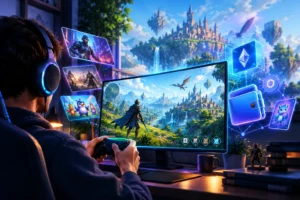
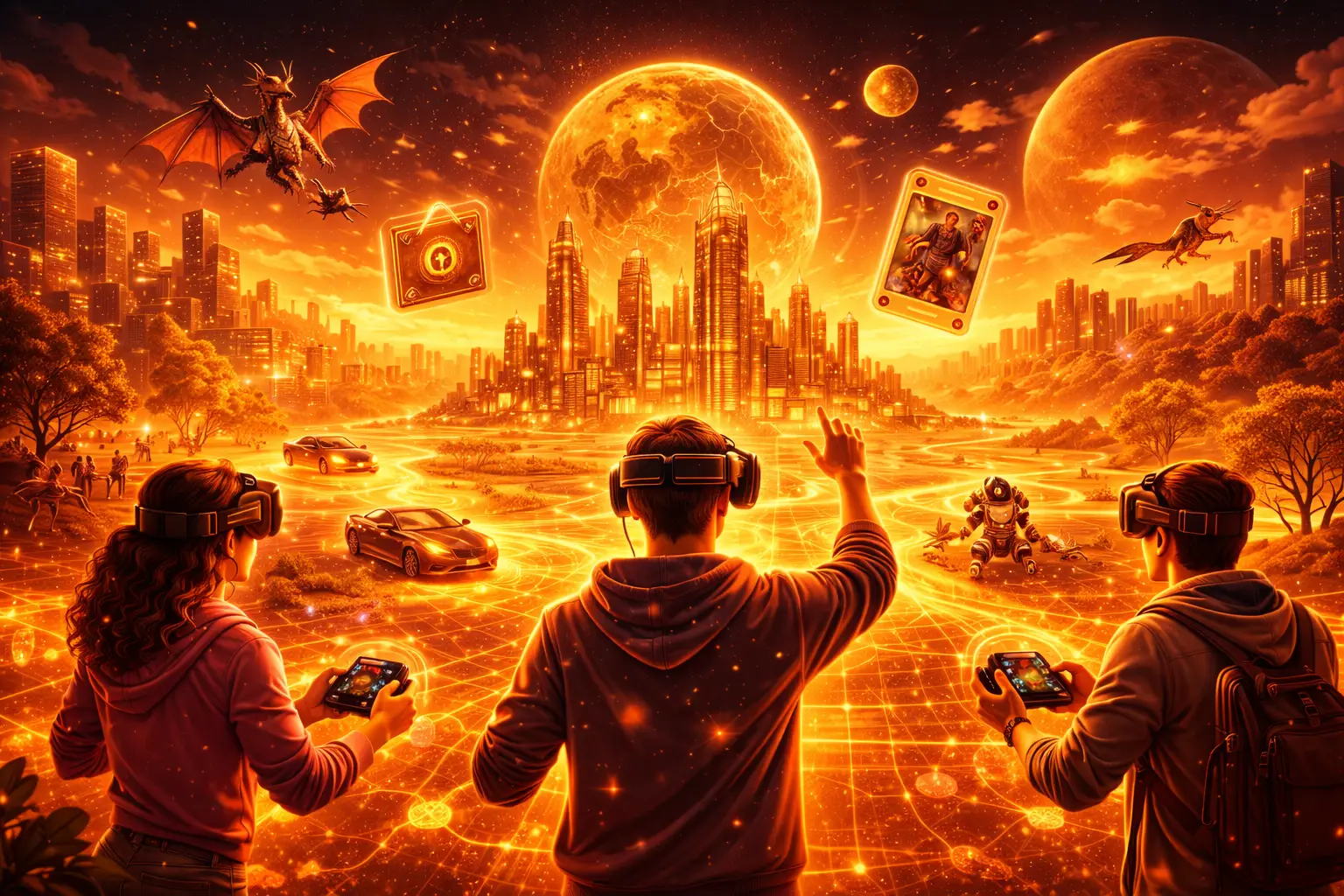
Metaverse games are online multiplayer experiences that blend gaming with virtual economies. Unlike traditional video games, where developers control all in-game assets, metaverse platforms allow players to own items such as characters, land and skins through blockchain-based tokens.
These digital assets, often structured as non-fungible tokens (NFTs), can be traded or sold for cryptocurrency, giving them real-world value. This shift transforms gaming from a closed ecosystem into an open marketplace where users actively participate in economic activity.
More broadly, the metaverse represents a digital space where users interact socially and economically through avatars, blurring the line between physical and virtual worlds.
The Rise of Play-to-Earn Gaming
A defining feature of metaverse games is the “play-to-earn” model. Instead of spending money purely for entertainment, players can earn rewards through gameplay, such as tokens, NFTs or other tradable assets.
This model has gained traction because it lowers the barrier to entry compared to traditional games that often require significant time or financial investment to see returns. Modern blockchain games are designed to be more accessible, allowing players to earn rewards through relatively simple mechanics.
As a result, gaming is no longer just a pastime — it has become a potential income stream for users worldwide.
Popular Metaverse Games
Several games have emerged as leaders in this space, offering a mix of gameplay styles and earning opportunities:
- Gods Unchained: A strategy card game where players collect and trade NFT-based cards. Winning matches rewards players with assets that can be sold or exchanged for cryptocurrency.
- CryptoKitties: One of the earliest blockchain games, allowing users to breed and trade virtual cats. Each digital pet has unique traits that influence its value in the marketplace.
- Alien Worlds: A space-themed game where players explore planets and mine resources that can be converted into crypto rewards.
- Sorare: A fantasy sports platform where users build teams using NFT player cards and compete in global tournaments.
- Neon District and Mist: Role-playing games that combine quests, combat and NFT-based rewards to create immersive experiences.
These games highlight the diversity of the metaverse ecosystem, spanning genres such as strategy, simulation and role-playing.
Key Features of Metaverse Gaming
Metaverse games stand out from traditional gaming in several important ways:
True Digital Ownership
Players have full control over their in-game assets, which exist independently of the game developer and can be traded across platforms.
Decentralized Economies
Many metaverse platforms operate on decentralized systems, allowing players to influence governance and participate in virtual economies.
Immersive Experiences
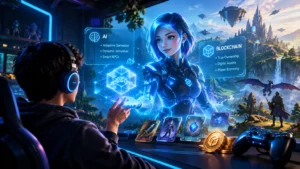
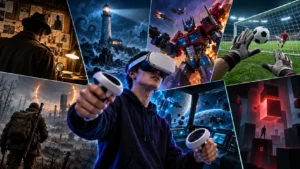
Advanced technologies such as virtual reality (VR) and artificial intelligence enhance gameplay, creating highly interactive environments.
Social Interaction
Players engage with others in real time using avatars, forming communities that extend beyond the game itself.
Together, these elements create a more dynamic and engaging gaming experience compared to traditional models.
Opportunities and Challenges
The growth of metaverse gaming presents significant opportunities for both players and developers. For users, it offers new ways to earn income and participate in digital economies. For developers, it opens doors to innovative business models and global audiences.
However, the sector also faces challenges. Market volatility, especially in cryptocurrency and NFTs, can impact earnings. Additionally, the technology is still evolving, and large-scale, fully integrated metaverse environments remain under development.
Despite these hurdles, experts believe the metaverse has the potential to transform industries beyond gaming, including education, marketing and social interaction.
The Future of Gaming
Metaverse games are redefining what it means to play, blending entertainment with real-world economic systems. As technology advances and adoption increases, these platforms are expected to become more immersive, accessible and interconnected.
While still in its early stages, the metaverse is shaping the future of digital experiences. For gamers, it offers not just a new way to play — but a new way to participate in a rapidly evolving virtual economy.