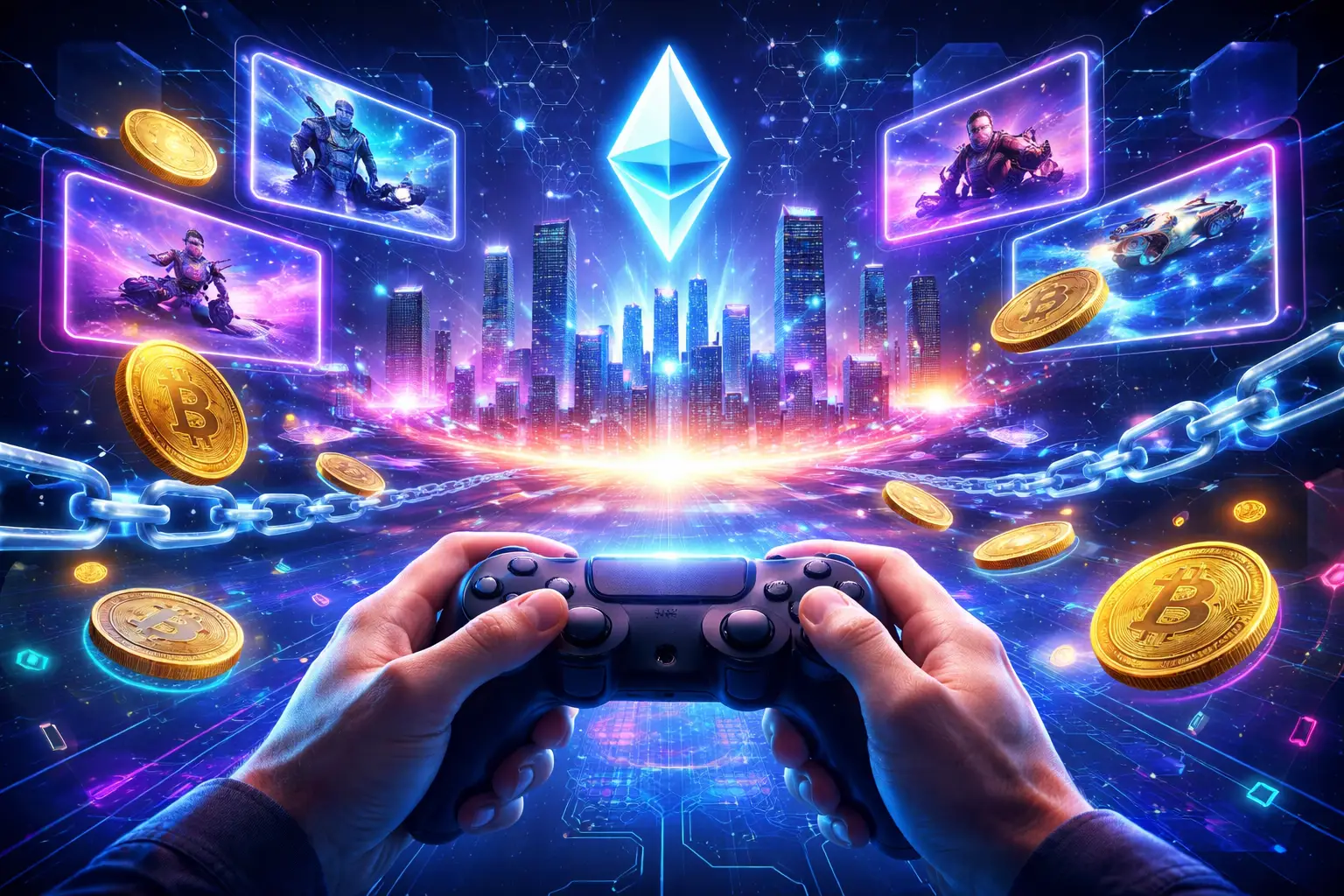
Envision yourself having a game where you actually own the in-game items and do not simply borrow them. This is what Web3 gaming is all about – decentralized and gamer-centered games that leverage blockchain technology. Based on industry forecasts, the Web3 gaming industry is forecasted to experience rapid growth until 2026 due to the advancements made in blockchain technology, interoperability, and the growing popularity of digital ownership in countries such as the USA, EU, China, Canada, Australia, and Germany.
Web3 gaming does not refer to some trendy buzzwords but rather implies the structural change when gamers are able to earn, trade, and own in-game items safely using decentralized platforms. In this beginner’s guide to Web3 gaming, we will explore the essence of Web3 gaming, its working principles, and the ways to enter this industry in 2026.
What Is Web3 Gaming?
Let us first get an understanding of what Web3 gaming entails before going into details.
Web3 gaming describes video games built using blockchain technology and other decentralized systems. The nature of the operation of the game and transactions carried out therein is therefore fundamentally different from traditional video games. In the latter, all elements, including characters, are the property of the video game producer or operator. Web3 gaming enables users to purchase and trade game properties such as uniforms, weapons, and land on a platform of their choice through non-fungible tokens and other technologies.
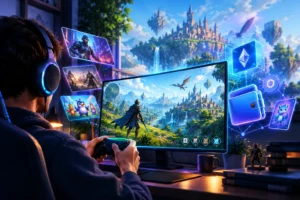
For example, a user can trade uniforms for money. In essence, the properties of any item in the game, from characters to weapons, can be transferred onto a blockchain and stored in a decentralized network such as Ethereum. Users can then transact in these properties or trade them for money or other assets, provided the game allows for such operations.
How Web3 Gaming Works — A Beginner’s View
To grasp Web3 gaming, it helps to understand the underlying technologies:
1. Blockchain Technology
The backbone of Web3 games is blockchain technology, which is a form of distributed ledger in which information is stored in multiple computers. In-game item ownership is ensured by cryptographic verification of the asset in question.
2. Smart Contracts
Self executing contracts are deployed within the Web3 framework, thus making transactions and management of the asset transparent. It facilitates asset transfers, payments, and in-game rewards logic.
3. NFTs and Digital Ownership
NFTs (non-fungible tokens) are unique digital assets, such as game skins or weapons and other in-game objects, that can be bought and sold. These are stored within the blockchain network, rather than on game servers.
4. Decentralized Economies
Many Web3 games feature native currency and economies in which players earn game assets and can use them within the game. Initially, play to earn games met some difficulties, now there are games based on play and own concepts in which gameplay is prioritized.
Essentially, players engage with Web3 games similar to any video game.
Why Web3 Gaming Is Gaining Global Attention
There are several reasons why Web3 gaming is drawing the interest of gamers, developers, and businesses worldwide:
True Digital Ownership
Gamers actually own digital assets within a game, which can be sold or transferred out of the gaming ecosystem itself, whereas in the Web2 era, gamers cannot transfer their ownership of the digital assets to anyone.
Interoperability Across Platforms
Sometimes, the assets or avatars will be able to cross-game and cross-worlds, enabling gamers to exchange values across various gaming environment
Community-Driven Governance
Some Web3 gaming platforms have started exploring decentralized governance, where gamers will be able to vote on changes to the game and its economy.
Emerging Revenue Models
Though the early Web3 gaming business model revolved around speculating on NFTs, newer models emphasize utility and in-game use cases alongside entertainment.
How to Start Web3 Gaming — A Step-by-Step Guide
Here are the steps for getting started with Web3 gaming in 2026, if you are new to this:
1. Choose the Right Game
There are plenty of Web3 games out there that integrate playability with blockchain elements. Some games put more value on quality and sustainability rather than earnings.
2. Set Up a Digital Wallet
Web3 games usually use crypto wallets like MetaMask to help you manage all digital currencies you might have.
3. Learn Basic Blockchain Concepts
Educate yourself about basic blockchain terminology such as nonfungible tokens, gas fees, etc., and how these operate within games
4. Start Small
The good thing about Web3 gaming is that many games now offer gasless transactions or abstract crypto wallets that resemble classic game registration processes.
5. Explore Play-and-Own Features
In the near future, games that offer play and ownership are likely to prevail. Don’t just think in terms of income but in terms of improving your gaming experience.
Real-World Context: Trends, Adoption, and Regulation
The global market environment includes the USA, Europe, China, Canada, Australia, and Germany and is defining the direction of development of Web3 gaming. The regulation of blockchain, digital currencies, and non-fungible tokens is evolving in each jurisdiction, influencing the operation of games and users’ access to them.
Web3 gaming is a new revenue model in the digital economy from gaming assets marketplaces to community ecosystems; however, it comes with regulatory compliance issues related to tokenization and protecting users. Innovation ecosystems in leading technology centers result in growing investments into blockchain technologies for games.
Common Myths About Web3 Gaming
Myth 1: Web3 games are all about earning money.
Reality: While some games offer economic incentives, the future prioritizes fun gameplay first and sustainable economies second.
Myth 2: Web3 gaming is only for tech experts.
Today’s Web3 games increasingly abstract technical complexity, making onboarding similar to traditional gaming experiences.
Myth 3: Blockchain always slows down gameplay.
Layer-2 solutions and optimized infrastructure are addressing performance barriers for mainstream adoption.
FAQs — Web3 Gaming for Beginners
Q1: What is Web3 gaming?
Web3 gaming refers to games built on blockchain technology that enable decentralized ownership, transparent transactions, and sometimes community governance.
Q2: How does Web3 gaming differ from traditional gaming?
Unlike traditional games where assets belong to developers, Web3 games let players truly own their in-game items via blockchain.
Q3: Do I need cryptocurrency to start Web3 gaming?
Most games require a blockchain wallet, but many onboarding processes now minimize direct crypto interactions for beginners.
Q4: Is Web3 gaming safe?
Security depends on game design and blockchain protocols. Reputable games with audited smart contracts and transparent systems offer better safety.
Q5: Can I earn money playing Web3 games?
Some games allow asset trading or token rewards, but earnings are not guaranteed — focus on quality gameplay and ownership value.