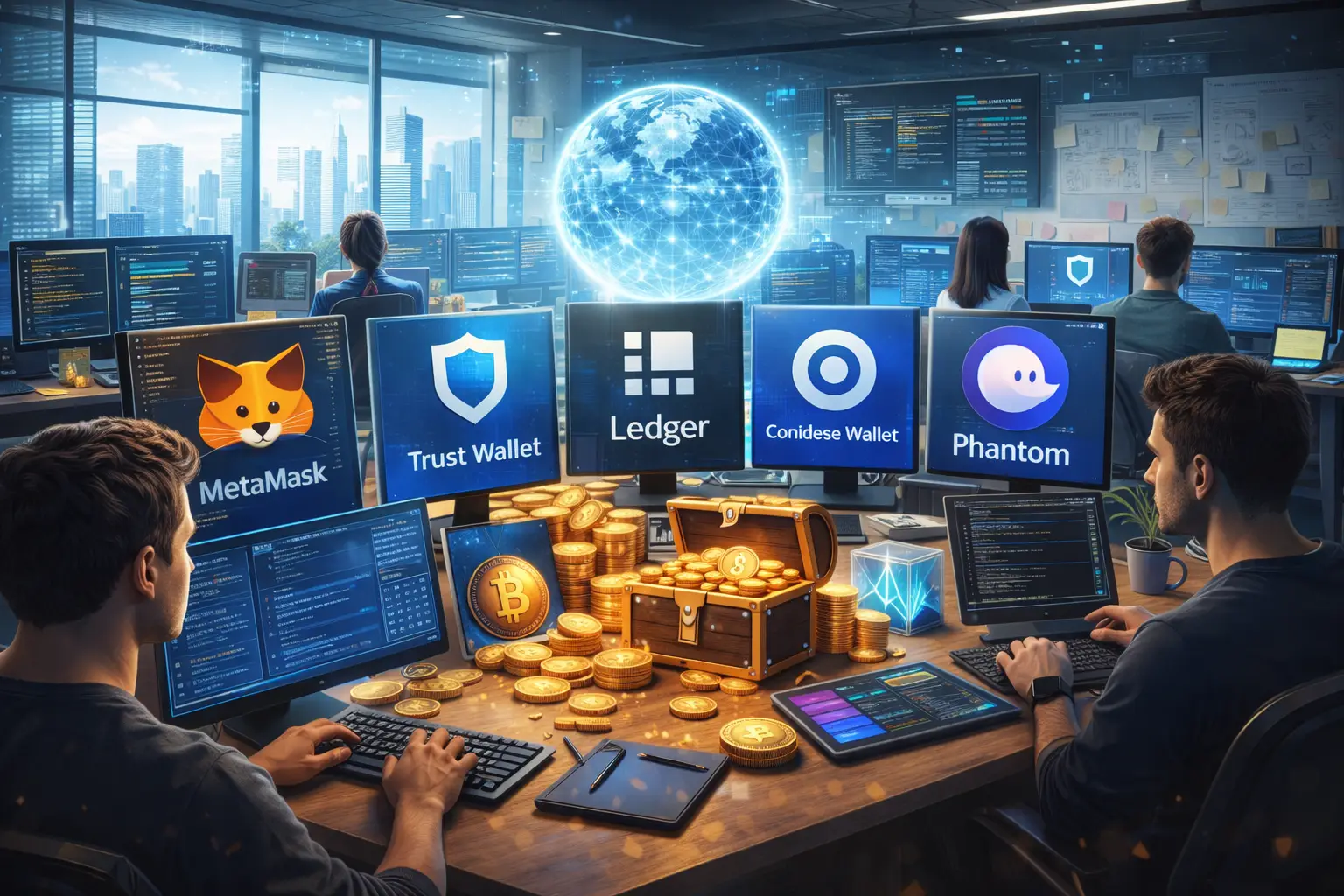
As blockchain technology continues to reshape digital economies, two foundational elements stand at the center of this transformation: crypto wallets and tokenization. Together, they are redefining how assets are owned, transferred, and monetized—particularly within the rapidly growing GameFi and Web3 gaming ecosystems.
For professionals, investors, and developers, understanding these concepts is essential to navigating the future of decentralized finance and digital ownership.
What Are Crypto Wallets?
A crypto wallet is a digital tool that allows users to store, manage, and interact with blockchain-based assets, including cryptocurrencies, NFTs, and tokens.
Unlike traditional wallets, crypto wallets don’t actually store assets—they store private keys, which provide access to assets recorded on the blockchain.
Types of Crypto Wallets
1. Hot Wallets (Online)
- Connected to the internet
- Easy to use and accessible
- Examples include mobile apps and browser extensions
2. Cold Wallets (Offline)
- Hardware-based or paper wallets
- Highly secure, ideal for long-term storage
3. Custodial vs Non-Custodial
- Custodial: Managed by third parties (e.g., exchanges)
- Non-custodial: Full control remains with the user
Key takeaway:
Security and control are the defining features of crypto wallets, making them critical for managing digital assets safely.
The Role of Wallets in Web3 Gaming
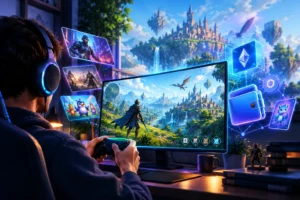
In Web3 gaming, crypto wallets serve as the gateway to the entire ecosystem. They enable players to:
- Store in-game assets as NFTs
- Receive and trade tokens
- Access decentralized applications (dApps)
- Participate in governance systems
Unlike traditional gaming accounts, wallets provide true ownership, allowing players to carry assets across platforms and ecosystems.
Why it matters:
Wallets transform players from users into stakeholders within digital economies.
What Is Tokenization?
Tokenization is the process of converting real-world or digital assets into blockchain-based tokens. These tokens represent ownership, value, or access rights and can be traded or transferred securely.
Assets that can be tokenized include:
- In-game items
- Virtual land
- Digital collectibles (NFTs)
- Financial assets
- Intellectual property
How Tokenization Is Changing Digital Economies
Tokenization introduces a new level of liquidity, transparency, and accessibility to assets that were previously illiquid or difficult to trade.
Key Benefits
1. Fractional Ownership
High-value assets can be divided into smaller units, allowing broader participation.
2. Global Accessibility
Anyone with a crypto wallet can access tokenized markets, removing geographical barriers.
3. Transparency and Security
Blockchain ensures verifiable ownership and reduces fraud risks.
4. Enhanced Liquidity
Assets can be traded instantly on decentralized marketplaces.
Example in GameFi:
A rare in-game asset can be tokenized as an NFT and sold globally, creating new revenue streams for both players and developers.
The Intersection of Wallets, Tokens, and GameFi
Crypto wallets and tokenization work together to create fully functional digital economies within games.
How It Works:
- Players earn tokens or NFTs through gameplay
- Assets are stored in their crypto wallets
- Players trade or sell assets on marketplaces
- Tokens can be converted into real-world value
This system enables play-to-earn (P2E) and play-and-earn models, where gaming becomes both entertainment and an economic activity.
Industry insight:
The success of GameFi depends heavily on seamless wallet integration and efficient token economies.
Challenges and Risks
Despite their potential, crypto wallets and tokenization come with challenges that professionals must understand.
Security Risks
- Phishing attacks
- Loss of private keys
- Smart contract vulnerabilities
Regulatory Uncertainty
Governments worldwide are still developing frameworks for digital assets, which can impact adoption and compliance.
User Experience Barriers
For new users, managing wallets and understanding tokenization can be complex.
Best practice:
Focus on platforms that prioritize security, compliance, and user-friendly design.
The Future of Crypto Wallets and Tokenization
Looking ahead, both crypto wallets and tokenization are expected to become more integrated into everyday digital experiences.
Emerging Trends
1. Smart Wallets
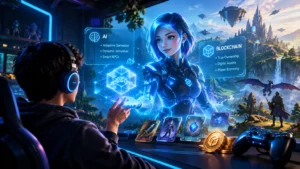
AI-powered wallets that automate transactions and enhance security.
2. Cross-Chain Compatibility
Wallets supporting multiple blockchains seamlessly.
3. Embedded Wallets in Games
Simplifying onboarding for mainstream users.
4. Real-World Asset Tokenization (RWA)
Expansion beyond gaming into real estate, finance, and more.
Future outlook:
Tokenization could redefine ownership across industries, while wallets become the universal interface for digital identity and assets.
Final Thoughts
Crypto wallets and tokenization are not just technical concepts—they are the foundation of the Web3 economy. Together, they enable secure ownership, seamless transactions, and new economic models that empower users like never before.
For professionals in GameFi and blockchain gaming, mastering these tools is essential. As the industry evolves, those who understand how to leverage wallets and tokenized assets will be best positioned to capitalize on the next wave of innovation.
Key Takeaways
- Crypto wallets enable secure access to digital assets
- Tokenization transforms ownership into tradable digital tokens
- GameFi relies on both to create decentralized economies
- Security, usability, and regulation remain key challenges
- The future points toward smarter, more integrated systems
Stay connected with GameFi Times for expert insights, in-depth analysis, and the latest developments shaping the future of Web3 gaming and digital finance.