As Web3 gaming continues to expand, crypto wallets and tokenization have become an essential tool for players. Unlike traditional gaming accounts, where assets are controlled by centralized platforms, Web3 gaming allows players to own, trade, and monetize their in-game items through blockchain technology.
At the center of this ecosystem lies the crypto wallet—a gateway to managing digital assets such as tokens, NFTs, and in-game currencies. However, choosing the right wallet is critical. A poor choice can lead to security risks, high fees, or limited compatibility.
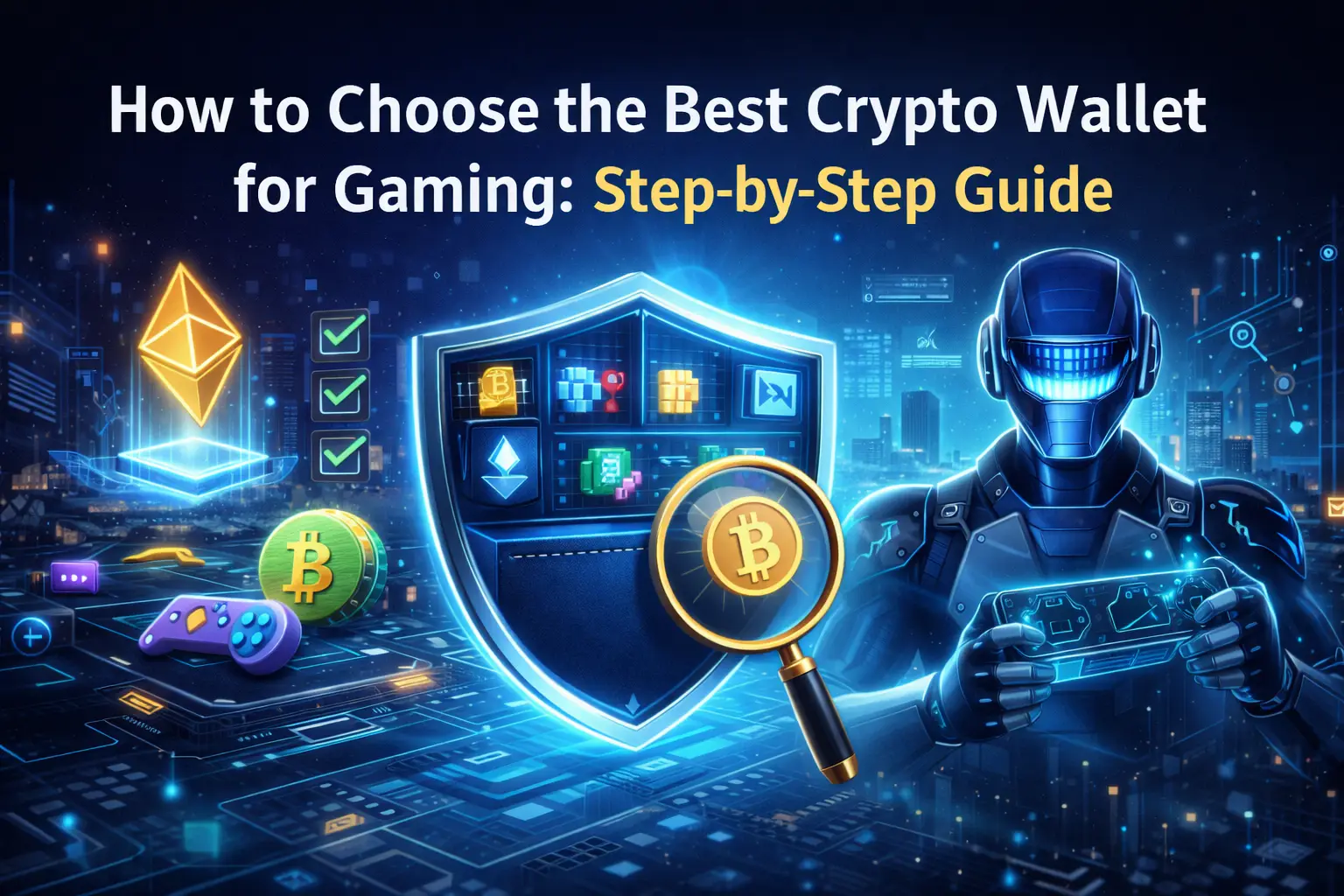
This guide provides a step-by-step framework to help you choose the best crypto wallet for gaming in 2026.
Why Crypto Wallets Matter in Gaming
Crypto wallets are more than storage tools—they are your identity in Web3 gaming.
They allow you to:
- Store in-game assets (NFTs, tokens)
- Interact with blockchain-based games
- Trade assets on marketplaces
- Participate in GameFi ecosystems
Key insight:
Without a reliable wallet, you cannot fully participate in Web3 gaming.
Step 1: Understand the Types of Crypto Wallets
Before choosing a wallet, it’s important to understand the different types available.
Hot Wallets (Online)
- Accessible via mobile apps or browsers
- Easy to use and ideal for beginners
- Examples: MetaMask, Trust Wallet
Best for: Active gaming and frequent transactions
Cold Wallets (Offline)
- Hardware devices or offline storage
- Highly secure but less convenient
Best for: Storing high-value assets long-term
Custodial vs Non-Custodial Wallets
- Custodial: Managed by a third party (e.g., exchanges)
- Non-custodial: You control your private keys
Recommendation:
Always prefer non-custodial wallets for gaming to maintain full ownership.
Step 2: Prioritize Security Features
Security should be your top priority when selecting a crypto wallet.
Must-have features:
- Private key control
- Seed phrase backup
- Two-factor authentication (2FA)
- Biometric login (mobile wallets)
Additional considerations:
- Hardware wallet compatibility
- Protection against phishing attacks
Golden rule:
If you don’t control your keys, you don’t control your assets.
Step 3: Check Blockchain Compatibility
Not all wallets support every blockchain.
Web3 games are built on different networks such as:
- Ethereum
- Polygon
- BNB Chain
- Solana
What to do:
- Choose a wallet that supports the blockchains used by your games
- Consider multi-chain wallets for flexibility
Step 4: Evaluate Gaming Integration
The best crypto wallets for gaming offer seamless integration with Web3 platforms.
Look for:
- Easy connection to games (via browser or mobile)
- Built-in dApp browsers
- NFT support and display
Why it matters:
Smooth integration enhances user experience and reduces friction.
Step 5: Consider Fees and Transaction Costs
Blockchain transactions often involve fees, which can vary significantly.
Key factors:
- Gas fees (especially on Ethereum)
- Network congestion
- Wallet transaction fees
Tip:
- Use wallets that support low-fee networks like Polygon or Layer 2 solutions
Step 6: Assess User Experience and Interface
A complex interface can make managing assets difficult, especially for beginners.
Ideal wallet features:
- Simple and intuitive design
- Clear transaction history
- Easy asset management
Remember:
Ease of use is critical for long-term adoption.
Step 7: Look for Multi-Device Accessibility
Gamers often switch between devices, so flexibility matters.
Check if the wallet supports:
- Mobile (iOS/Android)
- Desktop/browser extensions
- Cross-device syncing
Benefit:
Seamless access across devices improves convenience and usability.
Step 8: Research Reputation and Reviews
Not all wallets are created equal. Reputation plays a crucial role.
What to check:
- User reviews and ratings
- Community feedback
- Security track record
Avoid:
- Newly launched wallets with no credibility
- Platforms with past security breaches
Step 9: Ensure NFT and Token Support
In Web3 gaming, NFTs are a core component.
Your wallet should:
- Support NFT storage and display
- Allow easy transfer and trading
- Integrate with NFT marketplaces
Why it matters:
NFT compatibility is essential for managing in-game assets.
Step 10: Avoid Common Mistakes
Many beginners make avoidable errors when choosing wallets.
Common mistakes:
- Choosing wallets based on hype
- Ignoring security features
- Not backing up seed phrases
- Using multiple unreliable wallets
Best practice:
Stick to trusted wallets and follow security protocols.
Key Features of the Best Gaming Wallets
A high-quality crypto wallet for gaming should offer:
- Strong security and private key control
- Multi-chain compatibility
- Seamless dApp and game integration
- Low transaction fees
- User-friendly interface
- Reliable reputation
Future Trends in Crypto Wallets for Gaming
The evolution of crypto wallets is shaping the future of Web3 gaming.
Emerging innovations:
- Smart wallets with AI automation
- Gasless transactions
- Embedded wallets in games
- Cross-chain interoperability
Future outlook:
Wallets will become more user-friendly, secure, and integrated into gaming ecosystems.
Final Thoughts
Choosing the right crypto wallet is one of the most important decisions for any Web3 gamer. It directly impacts your security, user experience, and ability to participate in digital economies.
By following this step-by-step guide, you can confidently select a wallet that aligns with your gaming needs—ensuring both safety and efficiency.
As Web3 gaming continues to grow, the role of crypto wallets will only become more central. Making the right choice today will position you for success in the evolving world of blockchain gaming.
Key Takeaways
- Always prioritize security and control
- Choose wallets with multi-chain support
- Ensure seamless gaming integration
- Avoid hype-driven decisions
- Stay informed about evolving wallet technologies
Stay connected with GameFi Times for expert guides, insights, and the latest trends shaping the future of Web3 gaming and digital ownership.