The evolution of the internet is entering a transformative phase. Web3—often described as the decentralized, user-owned internet—is redefining how individuals interact with digital assets, identity, and value. At the core of this shift are two fundamental pillars: crypto wallets and tokenization.
Together, they are enabling a new paradigm known as digital ownership, where users—not corporations—control their assets, data, and online identities. For industries like gaming, finance, and the creator economy, this shift is not just technological—it is economic and cultural.
Understanding Web3 and Digital Ownership
Web3 represents a decentralized version of the internet built on blockchain technology, where control shifts from centralized platforms to users.
Unlike Web2, where platforms own user data and digital assets, Web3 enables true ownership through cryptographic systems.
This concept of digital ownership means users can:
- Control and transfer their assets without intermediaries
- Verify ownership transparently on blockchain networks
- Monetize digital goods directly
Blockchain ensures that ownership is immutable, transparent, and secure, forming the backbone of this new digital economy.
What Are Crypto Wallets? The Gateway to Web3
Crypto wallets are the primary interface between users and the Web3 ecosystem. They are not just storage tools—they are identity layers, access keys, and transaction engines. Earlier, the GameFi Times published an in-depth article Understanding Crypto Wallets and Tokenization as Backbone of Web3 Gaming
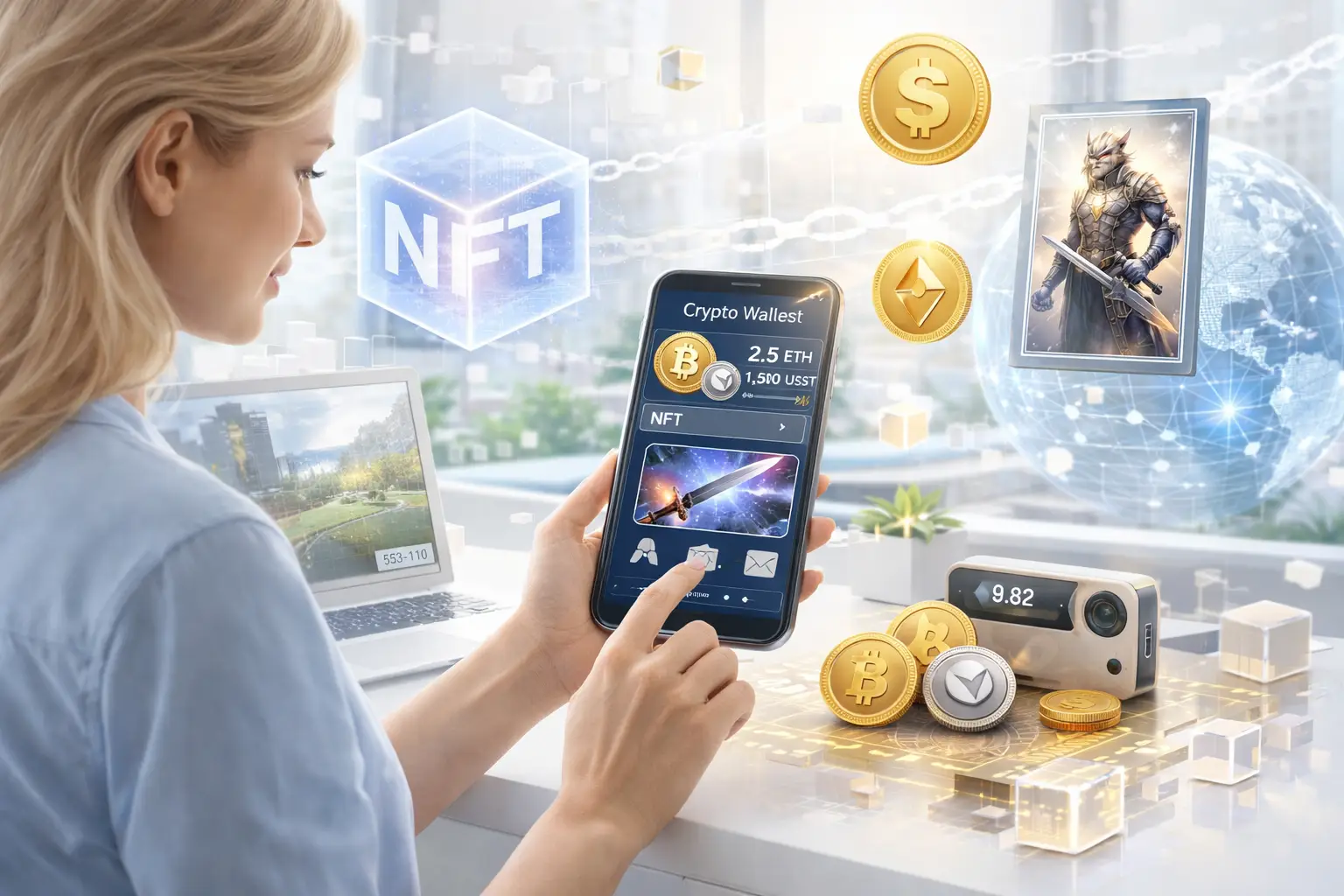
A Web3 wallet is a digital tool that allows users to store, manage, and interact with cryptocurrencies, NFTs, and decentralized applications (dApps).
More importantly, wallets enable users to:
- Sign transactions on the blockchain
- Access decentralized platforms
- Manage private keys (proof of ownership)
In many ways, a crypto wallet functions as a passport to Web3, allowing users to seamlessly navigate decentralized ecosystems.
Custodial vs Non-Custodial Wallets
A critical distinction in Web3 wallets lies in control over private keys:
- Custodial wallets: Managed by third parties (e.g., exchanges)
- Non-custodial wallets: Fully controlled by users
Non-custodial wallets are central to Web3 philosophy because they provide true ownership and autonomy. Losing access to private keys means losing access to assets—highlighting both the power and responsibility of self-custody.
This shift marks a major departure from traditional finance, where institutions control access to funds.
Tokenization: Turning Assets into Digital Value
If wallets are the gateway, tokenization is the engine powering Web3 ownership.
Tokenization refers to the process of converting real-world or digital assets into blockchain-based tokens. These tokens can represent:
- Cryptocurrencies (fungible assets)
- NFTs (non-fungible, unique assets)
- In-game items, virtual land, or digital collectibles
Each token exists on-chain, providing verifiable ownership and transferability.
Tokenized assets enable:
- Fractional ownership
- Global accessibility
- Instant peer-to-peer transactions
This transforms how value is created, distributed, and exchanged across digital ecosystems.
NFTs and the Rise of Verifiable Ownership
Non-Fungible Tokens (NFTs) are one of the most visible applications of tokenization. They represent unique digital assets with provable ownership recorded on the blockchain.
Unlike traditional digital files, NFTs cannot be duplicated or altered without record. This has unlocked new opportunities in:
- Gaming (skins, characters, assets)
- Art and collectibles
- Virtual real estate
- Digital identity
NFTs are redefining scarcity and ownership in the digital world, allowing users to own assets that were previously controlled by platforms.
Wallets + Tokenization = Digital Ownership
The true power of Web3 emerges when crypto wallets and tokenization work together.
- Wallets store and manage tokens
- Tokens represent ownership of assets
- Blockchain verifies and secures transactions
This combination creates a system where:
- Users fully control their digital assets
- Ownership is portable across platforms
- Value can be exchanged without intermediaries
In essence, crypto wallets act as ownership containers, while tokenization defines what is owned.
Digital Identity and Self-Sovereignty
One of the most transformative aspects of Web3 is self-sovereign identity.
In traditional systems, identity is controlled by centralized platforms. In Web3, crypto wallets can serve as digital identities, enabling users to:
- Log into applications without passwords
- Own and manage personal data
- Build reputations across platforms
Web3 wallets can even function as universal login systems, linking identity, assets, and activity into a single decentralized profile.
This shift reduces reliance on Big Tech platforms and enhances user privacy and control.
The Impact on Gaming and GameFi
The gaming industry is one of the biggest beneficiaries of Web3 digital ownership.
Traditionally, in-game assets are locked within centralized ecosystems. Players do not truly own their skins, weapons, or characters. Web3 changes this by enabling:
- Tokenized in-game assets (NFTs)
- Player-owned economies
- Cross-game asset interoperability
For example, a player can:
- Own a rare sword as an NFT
- Trade it on open marketplaces
- Use it across multiple games
This creates a player-driven economy, where value flows between developers and users.
Moreover, crypto wallets allow gamers to:
- Store assets securely
- Participate in governance
- Earn rewards through gameplay
This model is fueling the rise of GameFi, where gaming meets decentralized finance.
Security, Risks, and Challenges
While crypto wallets and tokenization unlock new opportunities, they also introduce challenges.
1. Security Risks
Users are responsible for safeguarding private keys. Hacks and phishing attacks remain major concerns.
2. User Experience
Wallet interfaces and blockchain interactions can be complex for mainstream users.
3. Regulatory Uncertainty
Governments are still defining legal frameworks for tokenized assets and digital ownership.
4. Market Volatility
Token values can fluctuate significantly, impacting asset stability.
Despite these challenges, ongoing innovation is improving security, usability, and adoption.
The Future of Web3 Ownership
The convergence of crypto wallets and tokenization is shaping the future of the internet.
Key trends include:
- Multi-chain wallets for seamless asset management
- Smart contract wallets with enhanced security features
- Tokenization of real-world assets (real estate, equities)
- Decentralized identity systems
Web3 is increasingly described as the “read-write-own” internet, where users actively participate in ownership and value creation.
As adoption grows, digital ownership will extend beyond crypto-native users into mainstream industries.
Conclusion
Crypto wallets and tokenization are not just technical innovations—they are the foundation of digital ownership in Web3.
By enabling users to control their assets, identity, and data, these technologies are redefining the relationship between individuals and the internet. From gaming and finance to art and social platforms, the implications are far-reaching.
For GameFi Times and the broader Web3 ecosystem, one thing is clear:
the future of digital experiences will be owned—not rented.
As blockchain infrastructure matures and user adoption accelerates, crypto wallets and tokenization will continue to power a new era of decentralized, user-driven economies—reshaping how value is created and shared in the digital world.