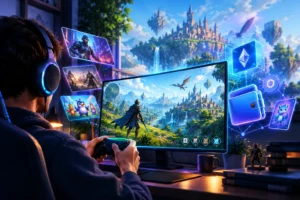
The gaming industry is evolving at an unprecedented pace, and hardware innovation is at the center of this transformation. From high-performance PCs to immersive virtual reality systems and AI-powered peripherals, gaming hardware is no longer just about performance—it’s about experience, accessibility, and ecosystem integration.
As we move deeper into 2026, several key trends are redefining how players interact with games and digital environments. Here’s a comprehensive look at the top gaming hardware trends shaping the future of play.
1. The Rise of AI-Powered Gaming Hardware
Artificial intelligence is becoming a core component of modern gaming hardware. GPUs and processors are now equipped with AI capabilities that enhance performance, optimize graphics in real time, and even personalize gameplay experiences.
Technologies like AI upscaling (such as DLSS-like systems) allow games to run at higher resolutions without compromising performance. Meanwhile, AI-driven peripherals—like adaptive controllers and smart headsets—are improving responsiveness and user comfort.
Why it matters:
AI is bridging the gap between performance and accessibility, enabling smoother gameplay across a wider range of devices.
2. Next-Gen GPUs and High-Performance PCs
Gaming PCs remain the gold standard for performance, and the latest generation of GPUs is pushing boundaries further than ever before. With advanced ray tracing, higher frame rates, and improved energy efficiency, modern GPUs are delivering near-photorealistic visuals.
At the same time, compact and modular PC designs are gaining popularity, allowing gamers to upgrade components easily without replacing entire systems.
Key trend:
- 4K and even 8K gaming becoming more viable
- Increased demand for custom-built and upgradeable rigs
3. Immersive Audio and Spatial Sound Technology
Audio is no longer a secondary feature—it’s a competitive advantage. Spatial audio technologies are transforming how players experience in-game environments, offering precise directional sound and deeper immersion.
Gaming headsets now feature:
- 3D audio rendering
- Noise cancellation
- AI-enhanced voice clarity
Impact:
In competitive gaming, better audio can directly influence performance by improving situational awareness.
4. Virtual Reality (VR) and Mixed Reality (MR) Expansion
VR is finally entering mainstream adoption, thanks to lighter headsets, improved resolution, and wireless capabilities. Mixed Reality (MR), which blends real-world and digital elements, is also gaining traction.
Modern VR systems offer:
- Higher refresh rates
- Reduced motion sickness
- Greater content availability
Meanwhile, GameFi and metaverse platforms are increasingly integrating VR games for more immersive economic and social experiences.
Future outlook:
VR and MR are expected to redefine gaming as a fully immersive, interactive experience rather than a screen-based activity.
5. Advanced Gaming Peripherals and Customization
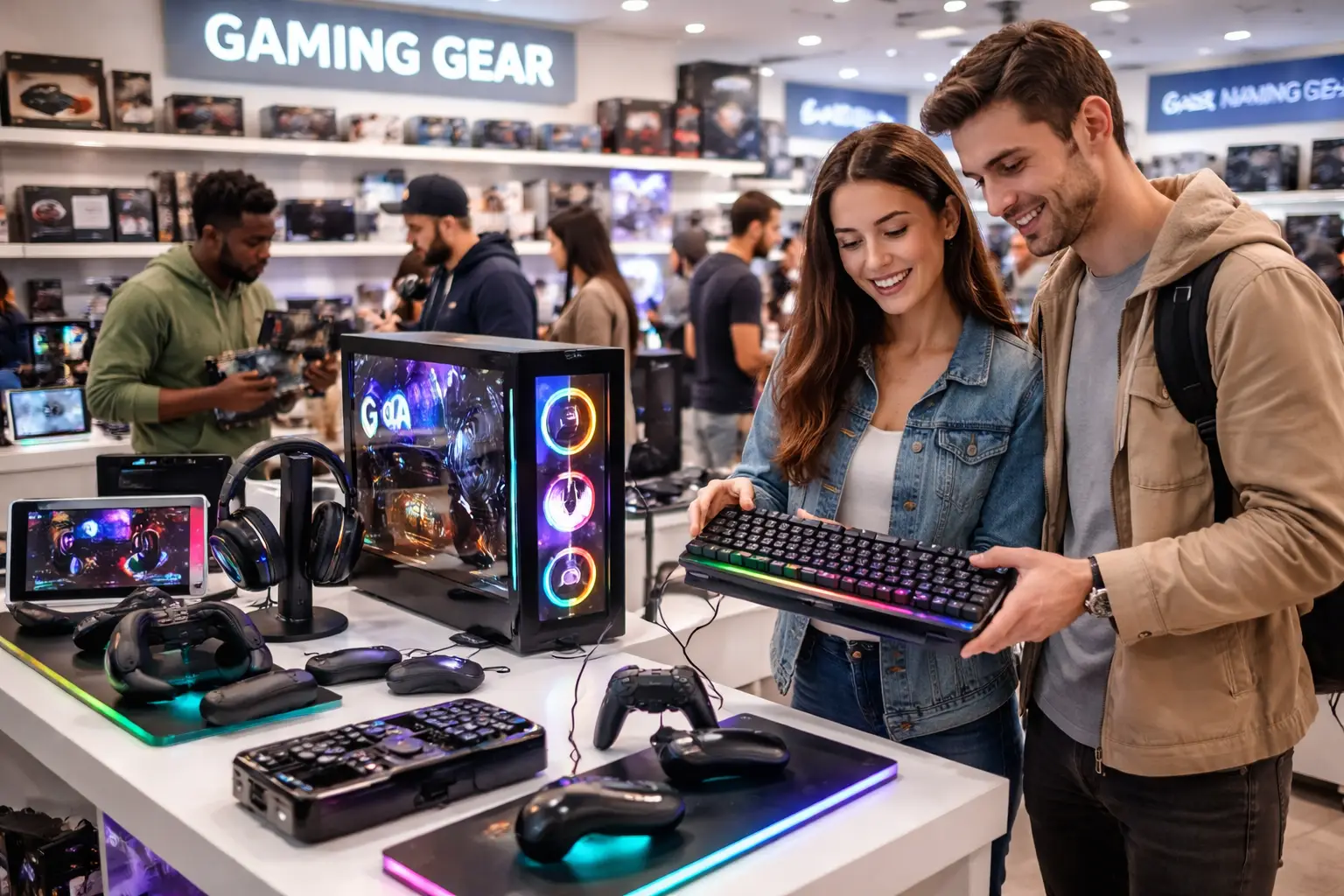
Gaming peripherals have evolved far beyond basic accessories. Today’s keyboards, mice, and controllers are designed for precision, personalization, and performance.
Key innovations include:
- Ultra-low latency wireless devices
- Customizable RGB ecosystems
- Modular controllers with interchangeable components
Additionally, ergonomic design is becoming a priority, reducing strain during long gaming sessions.
Professional edge:
High-quality peripherals can significantly improve reaction time and gameplay efficiency.
6. The Growth of Handheld and Mobile Gaming Devices
Handheld gaming is experiencing a strong resurgence, driven by powerful portable devices capable of running AAA titles. Cloud gaming integration has further accelerated this trend, allowing players to access high-end games on lightweight devices.
Modern handhelds now feature:
- Console-level performance
- High-refresh-rate displays
- Seamless cloud connectivity
Why it’s important:
Gaming is becoming more flexible, allowing players to switch between devices without losing progress.
7. Cloud Gaming and Hardware Decentralization
Cloud gaming is reshaping the role of hardware itself. Instead of relying solely on powerful local machines, players can stream games directly from remote servers.
This shift is leading to:
- Reduced dependence on expensive hardware
- Increased accessibility for global audiences
- Cross-platform gaming ecosystems
However, performance still depends heavily on internet infrastructure, making this trend more prominent in regions with advanced connectivity.
Key takeaway:
The future of gaming hardware may be less about ownership and more about access.
8. Energy Efficiency and Sustainable Hardware
As gaming hardware becomes more powerful, energy consumption has become a growing concern. Manufacturers are now focusing on energy-efficient designs and sustainable production practices.
Innovations include:
- Low-power GPUs and CPUs
- Improved cooling systems
- Eco-friendly materials and packaging
Industry shift:
Sustainability is becoming a key factor in both consumer decisions and corporate strategies.
9. Integration with Web3 and Blockchain Ecosystems
Gaming hardware is increasingly aligning with Web3 technologies. Devices are being optimized to support:
- Crypto wallets
- NFT marketplaces
- Blockchain-based games
Some hardware solutions are even integrating secure elements for managing digital assets directly on devices.
GameFi relevance:
As blockchain gaming grows, hardware will play a crucial role in enabling secure and seamless interactions with digital economies.
10. Personalization and Adaptive Gaming Experiences
The future of gaming hardware lies in personalization. Devices are becoming smarter, adapting to user behavior and preferences.
Examples include:
- Controllers that adjust sensitivity dynamically
- Displays that optimize brightness and contrast based on gameplay
- Systems that recommend settings for optimal performance
Result:
A more tailored and engaging gaming experience for each individual player.
Final Thoughts
Gaming hardware is no longer just a tool—it’s a gateway to immersive, interconnected digital experiences. From AI-driven performance enhancements to cloud-powered accessibility and Web3 integration, the industry is moving toward a future where technology, creativity, and user experience converge seamlessly.
For gamers, developers, and investors alike, understanding these trends is essential. The hardware choices made today will shape how games are played, experienced, and monetized in the years ahead.
Key Takeaways
- AI is revolutionizing performance and personalization
- VR and MR are pushing gaming into immersive environments
- Cloud gaming is redefining hardware ownership
- Sustainability is becoming a core industry focus
- Web3 integration is expanding the role of gaming devices
Stay connected with GameFi Times for expert insights, in-depth analysis, and the latest trends shaping the future of gaming and digital innovation.