
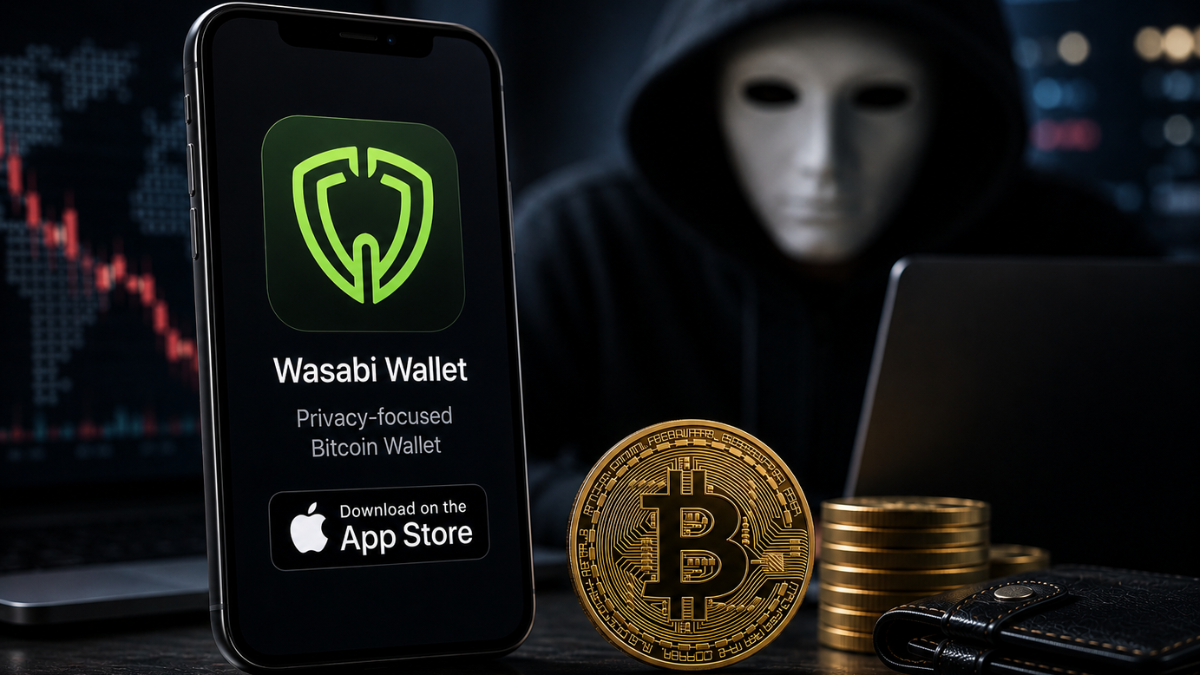
If you’ve ever searched “Wasabi Wallet” in the Apple App Store and just tapped the result that came up. You might want to slow down before you do that again. A cloned version of Wasabi Wallet, the privacy-focused Bitcoin Wallet made its way onto Apple’s App Store. It has already cost one user roughly 6 BTC. It’s not a glitch either. Crypto monitoring group Com Feed says this is the fake wallet app they’ve caught on the App Store this year alone. Here’s what we know why this keeps happening and how to make sure you’re not next.
What Actually Happened
According to Com Feeds tracking someone downloaded what looked like the Wasabi Wallet App only it wasn’t. According to Com Feeds tracking, someone downloaded what looked like the Wasabi Wallet app, only it wasn’t. The Fake Wasabi Wallet Apple App Store appeared legitimate enough to convince the victim to trust it with their Bitcoin.
What we do know: this fake app was convincing enough to pass as the thing and convincing enough. Or well-placed enough in search results. That someone trusted it with their Bitcoin.
This Isn’t a One-Off. It’s Part of a Pattern
Twenty-seven. That’s how many fake crypto wallet apps have turned up on the Apple App Store so far in 2026 per Com Feeds count.
The biggest one on record this year? A counterfeit Ledger app, responsible for $9.3 million in stolen crypto. That’s not a typo. Millions, from a fake app that somehow made it through the Apple App Store review process.
The G. Love Case: A Warning Sign Nobody Heeded in Time
This Wasabi Wallet incident echoes something that happened a month earlier in April 2026 to musician Garrett Dutton. Better known by his stage name, G. Love. Dutton downloaded what he thought was Ledger Live, the companion app for Ledger hardware wallets straight from the Apple App Store onto a brand- MacBook. The app asked him to enter his seed phrase. He did. That was the mistake. Although to be fair it’s an easy mistake to make when an app looks and behaves exactly like the real thing.
The result: 5.9 BTC gone, worth about $420,000 at the time. Not pocket change. This was retirement savings Dutton had been quietly stacking for close to ten years.
Blockchain investigator ZachXBT later traced the stolen funds through nine transactions all landing on addresses tied to the exchange KuCoin. When crypto.news asked KuCoin about it the exchange said it has monitoring systems in place to flag activity and pushed back on any implication that it had turned a blind eye. Though it stopped short of sharing specifics citing security and privacy concerns.
Apple Isn’t the Platform With This Problem
It’s tempting to point fingers at Apple here but Microsoft had its own version of this story. Back in 2023 a fake Ledger app slipped through Microsoft’s app store review. Was tied to almost $600,000 in losses before Microsoft owned up to the gap in its vetting process.
The takeaway isn’t “avoid one platform. You’re safe.” It’s that Apple app store review on any platform was never designed to catch a made crypto scam. These stores are built to check for malware signatures and basic policy violations. Not to verify that an app claiming to be “Ledger Live” is actually run by Ledger.
It’s Not Just Apps Anymore. Scammers Are Mailing Letters Too
Here’s the part that tends to surprise people: some of these scams have gone analog. Crypto.news has previously reported on scammers using leaked customer data to send letters complete with forged Ledger and Trezor branding sitting in people’s actual mailboxes. This shows that threats connected to the Apple App Store are only one part of a much larger crypto scam problem.
Type that in. It’s over. There’s no button in crypto. Once someone has your seed phrase they have your funds, stop. No bank to call no fraud department to dispute the charge.
The Numbers Behind the Trend
This isn’t a handful of unlucky people. The FBIs 2025 Internet Crime Report put U.S. Crypto fraud losses at more than $11 billion for the year. The Apple App Store wallet scams are part of that much bigger picture.
To Be Clear: Wasabi Wallet Wasn’t Hacked
One distinction here because it matters: the real Wasabi Wallet was not breached. Nothing about this points to a flaw in Wasabis software. This was entirely a case of a scammer building an app and getting it in front of users who assumed the Apple App Store had already done the vetting for them.
How to Avoid Downloading a Fake Wallet App
A habits go a long way here:
- Skip the Apple App store search bar. Go to the wallets website first. For Wasabi thats wasabiwallet.io. And follow the download link from there.
- Check who actually built the app. Compare the listed developer name against whats on the projects site or GitHub. A mismatch is a flag.
- Never type your seed phrase into an app thats asking for it out of nowhere right after install. Legitimate wallets don’t need it for setup in most flows.
- Look at the reviews. Fake apps tend to have review histories, generic screenshots or a suspiciously recent listing date.
- Ignore “urgent” mail. No wallet company is going to mail you a QR code and a deadline. That’s not how any of this works.
Bottom Line
An app being available on the App Store doesn’t mean it’s the thing. This case and the 26 before it this year prove that. If you use a crypto wallet the download link should always come from the project’s website, not a search result you’re trusting on faith.
An app being available on the Apple App Store doesn’t mean it’s the thing. The Fake Wasabi Wallet App is a clear example of why users should verify a wallet before downloading it.
Enjoy GameFi Times? Subscribe to our free newsletter for the latest GameFi news, blockchain gaming updates, Web3 trends, crypto wallet insights, funding intelligence, gaming hardware reviews, industry analysis, and expert coverage from the evolving global gaming ecosystem.