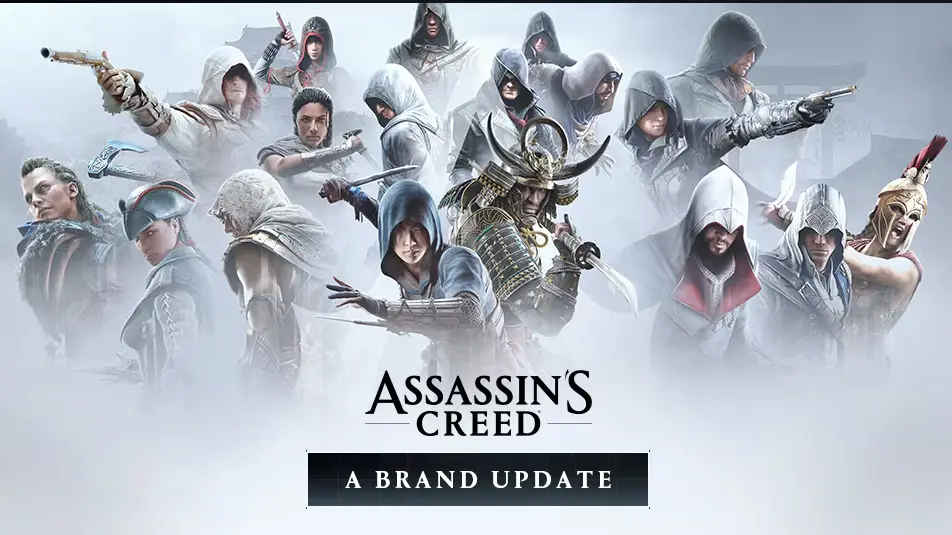
Ubisoft is officially bringing one of its most beloved titles back to life. Assassin’s Creed: Black Flag Resynced is set to launch on July 9, 2026, marking a major return for a game widely considered one of the best entries in the franchise. While rumors of a remake have circulated for years, the confirmation—and the details emerging around it—suggest this isn’t just a visual upgrade. It’s a full reimagining built for modern gaming expectations while staying true to its roots.
Originally released in 2013, Assassin’s Creed IV: Black Flag stood out by blending traditional assassin gameplay with open-world naval exploration. Players stepped into the boots of Edward Kenway, a pirate navigating the golden age of piracy, and the game quickly became a fan favorite for its freedom, storytelling, and immersive world design. Now, more than a decade later, Ubisoft is aiming to recapture that magic—without losing what made it special.
Assassin’s Creed: Black Flag Resynced is a traditional AAA single-player action-adventure game focused on story-driven gameplay, exploration, and combat. As a full-scale remake of a flagship title, the project is expected to carry a high AAA budget, likely ranging between $80 million and $150 million, including development and marketing. The investment reflects Ubisoft’s push to deliver next-gen visuals, upgraded mechanics, and a premium experience comparable to modern blockbuster releases.
A Remake, Not a Reinvention
One of the most important confirmations from early presentations is that Black Flag Resynced will not be an RPG. This distinction matters more than it might seem. In recent years, the Assassin’s Creed franchise has leaned heavily into RPG mechanics, as seen in titles like Origins, Odyssey, and Valhalla. While those games found commercial success, they also divided longtime fans who preferred the series’ earlier, more focused storytelling approach.
Ubisoft appears to be listening.
“This remains a solo adventure and character-driven experience. It is not an RPG,” the developers emphasized during a private presentation. This suggests a deliberate return to tighter narrative design, streamlined progression, and a more immersive single-player journey—elements that defined the original Black Flag experience.
Completely Reworked for a New Generation
Although Ubisoft has been careful not to reveal everything just yet, early impressions indicate that Resynced is far more than a simple remaster. The game has reportedly been “completely reworked”, with new content, updated mechanics, and modernized systems.
This likely includes:
- Enhanced graphics powered by newer game engines
- Improved naval combat and exploration mechanics
- Expanded world-building and environmental detail
- Refined stealth and combat systems
Given current industry standards, players can also expect smoother performance, faster load times, and possibly deeper environmental interactions. Ubisoft has invested heavily in upgrading its development tools, and Black Flag Resynced could serve as a showcase for how classic titles can be modernized without losing their identity.
Why Black Flag Still Matters
Revisiting Black Flag is not just about nostalgia—it’s about relevance. Even today, the game is frequently cited as one of the best pirate-themed experiences ever created. Its open seas, dynamic ship battles, and sense of freedom remain unmatched in many ways.
In a gaming landscape increasingly dominated by live-service models and massive RPGs, there’s growing demand for focused, story-driven experiences. Black Flag Resynced seems positioned to meet that demand by offering a polished, self-contained adventure.
Moreover, Edward Kenway remains one of the franchise’s most compelling protagonists. His journey—from self-serving pirate to someone entangled in the Assassin-Templar conflict—adds emotional depth that resonates with players even years later.
Balancing Nostalgia and Innovation
One of the biggest challenges for any remake is striking the right balance between preserving the original and introducing meaningful improvements. Too much change risks alienating fans; too little can make the project feel unnecessary.
Ubisoft appears to be walking that line carefully.
The decision to keep the game non-RPG suggests a commitment to authenticity. At the same time, the promise of new content and updated systems indicates that this isn’t just a visual overhaul. It’s a chance to refine and expand upon what already worked.
Interestingly, even small details—like the long-rumored Edward Kenway statue—are still part of the project, reinforcing Ubisoft’s effort to connect past and present.
What This Means for the Franchise
The release of Black Flag Resynced could signal a broader shift for Assassin’s Creed. Ubisoft has multiple projects in development, ranging from smaller narrative experiences to large-scale open-world titles. By revisiting a classic in this way, the company may be testing how audiences respond to more traditional gameplay formats.
If successful, it could pave the way for additional remakes or even influence future original titles to adopt a more balanced approach between RPG elements and classic storytelling.
Looking Ahead to July 2026
With an official reveal expected soon and a release date locked in, anticipation is building quickly. While Ubisoft has held back on revealing full gameplay details, early impressions suggest that Assassin’s Creed: Black Flag Resynced could be one of the most exciting releases of 2026.
For longtime fans, it’s a chance to revisit a legendary adventure with modern enhancements. For newcomers, it’s an opportunity to experience one of the franchise’s defining titles for the first time—rebuilt for today’s gaming landscape.
One thing is clear: Ubisoft isn’t just bringing back Black Flag. It’s aiming to remind players why it became iconic in the first place.
For more gaming news, reviews, insights financing and latest developments visit the home page of GameFi Times.