
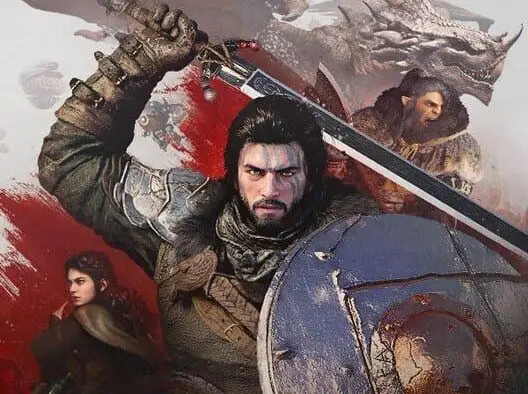
A new update for Crimson Desert is drawing attention across the gaming community—not for a major gameplay overhaul or story expansion, but for a seemingly small feature that many players consider essential: the ability to hide helmets.
Developer Pearl Abyss has introduced a highly requested “headgear visibility” option, allowing players to toggle whether helmets appear on their characters during gameplay. While minor on the surface, the addition highlights a broader shift in modern RPG design toward player customization and quality-of-life improvements.
According to recent patch details, players can now choose how helmets are displayed—whether always visible, hidden entirely, shown only in combat, or removed during cutscenes. This level of control reflects a growing demand among players to balance gameplay functionality with character aesthetics.
A Small Feature With Big Impact
In role-playing games, equipment often provides critical stat boosts but can clash with a character’s visual identity. For years, players of Crimson Desert had no native option to hide helmets, forcing them to either sacrifice stats or accept unwanted visual changes.
The absence of such a feature even led to the creation of community mods that enabled players to manually hide gear, underscoring how strongly the community valued customization.
By officially integrating this option, Pearl Abyss is addressing a long-standing friction point while aligning the game with industry standards seen in other RPGs.
More Than Just Cosmetics
While the “hide helmet” feature may appear cosmetic, it reflects deeper design priorities.
Modern RPG players increasingly expect:
- Greater control over character appearance
- Seamless blending of aesthetics and gameplay mechanics
- Flexible customization without compromising performance
In this context, the update is less about helmets and more about player agency—a concept that has become central to game design.
Industry analysts note that such features can significantly improve player satisfaction and retention, particularly in open-world and long-session RPGs where character immersion plays a key role.
Part of a Broader Update Strategy
The helmet toggle is part of a larger update that includes several gameplay improvements and system adjustments. Among them:
- Expanded camp storage capacity
- New mounts and equipment options
- Adjustments to control schemes, including a “classic” mode for players preferring earlier mechanics
These updates suggest that Pearl Abyss is actively responding to player feedback following the game’s launch.
Crimson Desert, released as a single-player action RPG, initially received mixed reactions due to its complex mechanics and dense gameplay systems. However, consistent updates appear to be gradually improving the overall experience.
Community Feedback Driving Development
The addition of the helmet toggle also highlights the growing influence of player communities in shaping game development.
In recent years, developers have increasingly relied on:
- Player feedback forums
- Modding communities
- Live service data and engagement metrics
to refine their games post-launch.
In the case of Crimson Desert, community demand for customization features played a clear role in prioritizing this update.
This approach reflects a broader industry trend where developers treat games as evolving platforms rather than static products.
The Evolution of RPG Expectations
The introduction of a “hide helmet” feature may seem overdue, but it underscores how player expectations have evolved.
In earlier RPGs, visual compromises were often accepted as part of gameplay. Today, however, players expect:
- Full visual customization
- Transmog systems (appearance overrides)
- Personalized character expression
As a result, features that were once considered optional are now seen as baseline requirements.
For Pearl Abyss, meeting these expectations is critical as the game competes in a crowded RPG market alongside titles that already offer extensive customization systems.
Bottom-line
The continued rollout of updates suggests that Crimson Desert is still in a phase of refinement and adaptation.
While the game has faced criticism since launch, its trajectory appears to be improving, supported by consistent developer engagement and iterative updates.
The addition of the helmet toggle may not redefine the game, but it signals something more important: a commitment to listening to players and evolving accordingly.
As the RPG genre continues to evolve, small quality-of-life features like this may play an increasingly significant role in shaping player perception and long-term success.
For more gaming updates, RPG insights, and GameFi trends, keep visiting GameFi Times regularly.