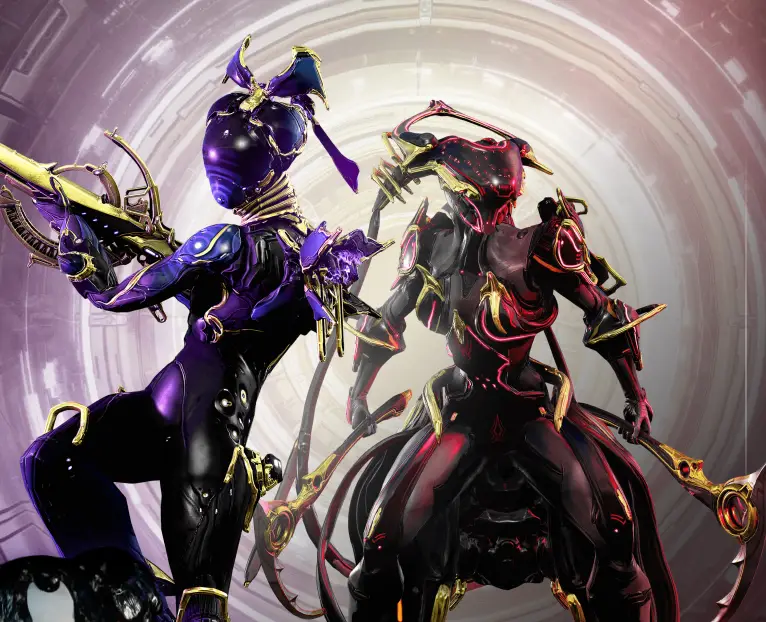
In an era where artificial intelligence is rapidly reshaping the gaming industry, the developers behind Warframe are taking a firm and uncompromising stance: no AI-generated content will ever be part of their games.
Digital Extremes, the studio behind the long-running live-service title, has publicly rejected the use of generative AI in its creative pipeline. Community director Megan Everett made the position clear during a recent discussion, stating that the studio remains committed to human-driven development.
Her message comes at a time when AI tools—from procedural asset generation to AI voice acting—are increasingly being integrated into game development workflows across the industry.
A Defining Moment in the AI Debate
The gaming industry is currently divided over the role of generative AI. While some studios embrace it as a cost-saving and efficiency-enhancing tool, others see it as a threat to creativity, originality, and jobs.
Digital Extremes has aligned itself with the latter group.
Everett emphasized that both Warframe and its upcoming title Soulframe will remain entirely human-made, reflecting the studio’s belief in preserving artistic authenticity.
This stance positions the company alongside a growing number of developers who are pushing back against what they view as over-reliance on AI-generated assets.
Why Warframe’s Position Matters
Warframe, first released in 2013, has evolved into one of the most successful live-service games in the industry, supported by a loyal global community. Its longevity and continued updates have made it a benchmark for sustainable game development.
Because of this, Digital Extremes’ anti-AI position carries weight.
Unlike smaller studios, Warframe’s developers are not rejecting AI out of necessity—they are doing so as a conscious philosophical and creative choice. This signals to the industry that long-term success does not necessarily depend on automation or AI-driven production.
Community Trust and Transparency
A key factor behind this decision appears to be the studio’s relationship with its player base.
During a recent livestream, Everett highlighted an incident where AI-generated fan art was mistakenly showcased. The community quickly identified it as AI-generated, prompting disappointment and reinforcing concerns about authenticity.
The episode underscores a growing sensitivity among gamers toward AI-generated content, especially in creative spaces like art and storytelling.
As players become more aware of AI usage, transparency is becoming a critical issue. Surveys indicate that a significant majority of developers believe AI usage in games should be clearly disclosed to players.
Industry Trends: AI Adoption vs Resistance
Despite Digital Extremes’ stance, AI adoption continues to expand across the gaming landscape.
Several major studios are experimenting with:
- AI-generated voice acting
- Procedural environment design
- Automated asset creation
In some cases, AI has been credited with reducing development costs and accelerating production timelines. However, controversies have also emerged, including instances where AI-generated assets were quietly included in games without disclosure.
This has led to increasing scrutiny from both players and developers, with concerns ranging from copyright issues to the erosion of creative integrity.
The Cost of Going AI-Free
Rejecting AI is not without its challenges.
AI tools can significantly reduce production costs, particularly for large-scale games requiring vast amounts of content. By choosing a human-only approach, Digital Extremes is effectively committing to higher production costs and longer development timelines.
However, the studio appears to view this as an investment in quality and trust.
In a crowded market where differentiation is key, a “human-made” label could become a powerful brand identity—especially among players who value craftsmanship and authenticity.
A Broader Shift in Gaming Culture
The debate over AI in gaming reflects a broader cultural shift.
As AI-generated content becomes more prevalent across industries—from art and music to journalism—questions about originality, authorship, and value are becoming increasingly urgent.
In gaming, where storytelling and artistic design play a central role, these concerns are amplified.
Digital Extremes’ position suggests that some developers are willing to draw a clear line, even as the industry moves in a different direction.
Looking Ahead
As Warframe continues to expand and Soulframe moves closer to release, Digital Extremes’ AI-free approach will be closely watched.
The key question is whether players will reward this commitment—or whether market pressures will eventually push even the most resistant studios toward AI adoption.
For now, the studio’s message is clear: in a rapidly changing technological landscape, human creativity remains at the core of its vision.
For more gaming industry insights, trends, and Web3 gaming news, keep visiting GameFi Times