Introduction
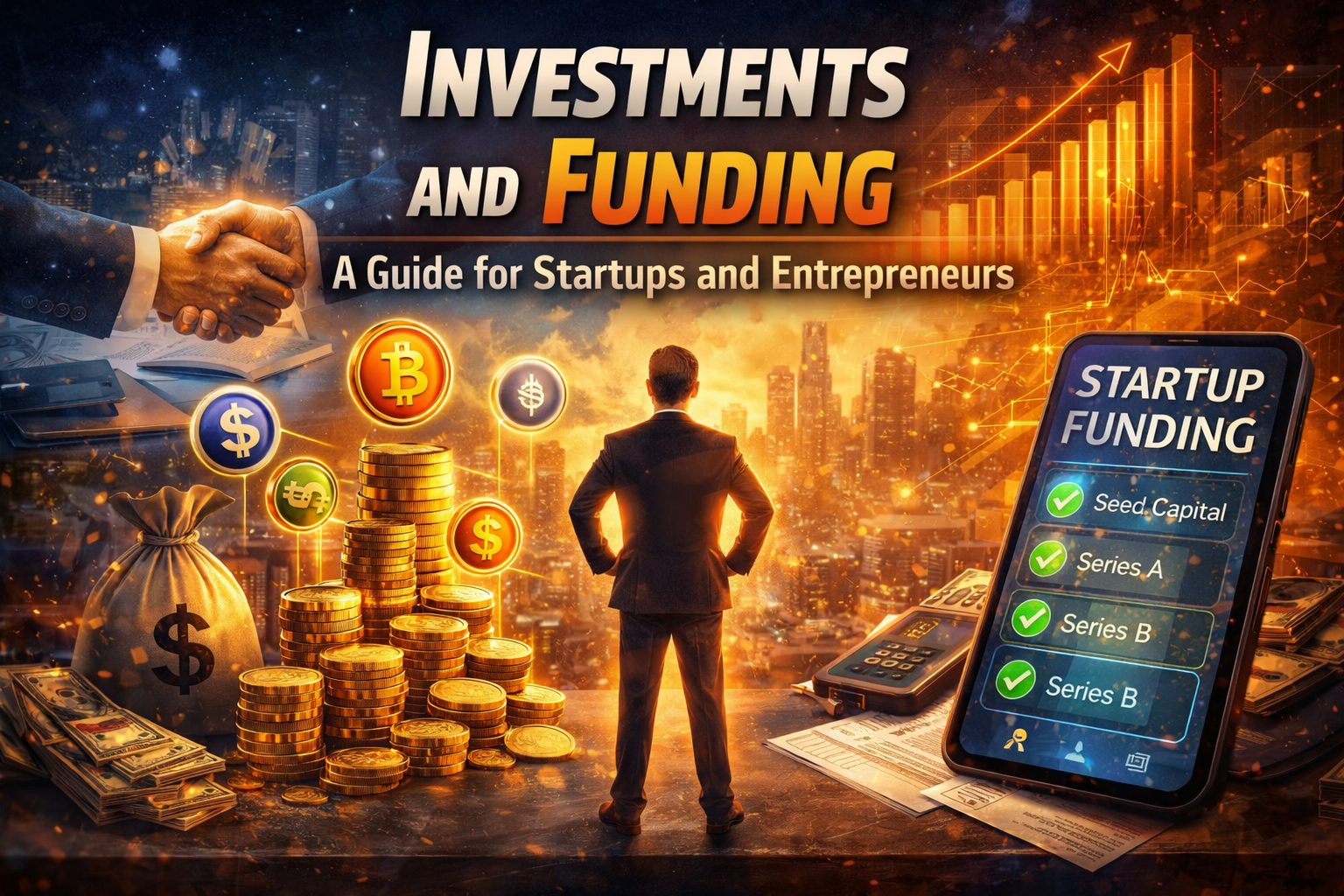
The global gaming industry has evolved into a multi-billion-dollar ecosystem, spanning mobile, console, PC, esports, and Web3 gaming. Behind every successful title or platform lies a carefully structured funding journey—one that takes a studio from a small prototype to a globally recognized brand.
From indie developers seeking seed capital to major studios raising growth rounds, investment plays a pivotal role in shaping the future of gaming. However, funding in the gaming sector comes with unique dynamics, including longer development cycles, hit-driven revenue models, and rapidly shifting player expectations.
Understanding how gaming startups move from seed capital to scale is essential for developers, investors, and stakeholders navigating this highly competitive landscape.
The Early Stage: Pre-Seed and Seed Funding in Gaming
Gaming startups often begin with a vision—a unique gameplay mechanic, an innovative monetization model, or a compelling narrative concept. Turning that vision into a playable experience requires early-stage funding.
At the pre-seed stage, developers typically rely on:
- Personal savings or small team contributions
- Grants or accelerator programs
- Early community support (especially in indie and Web3 gaming)
Seed funding follows as the first structured investment round, often involving angel investors, gaming-focused venture funds, or publishers.
In the gaming industry, seed capital is primarily used for:
- Developing prototypes or vertical slices
- Building core gameplay mechanics
- Hiring essential team members such as designers and developers
- Conducting early user testing
Unlike other tech startups, gaming companies must often demonstrate playability and engagement, not just a concept. A strong prototype can significantly increase investor confidence.
Series A: Proving Product-Market Fit Through Gameplay
For gaming startups, Series A funding is a critical validation stage. At this point, the focus shifts from building a game to proving that players actually want to play it—and spend money on it.
Key metrics that investors look for include:
- Daily and monthly active users (DAU/MAU)
- Retention rates (Day 1, Day 7, Day 30)
- Average revenue per user (ARPU)
- Community growth and engagement
Gaming startups must demonstrate product-market fit, often through soft launches or early access releases.
Series A funding is typically used for:
- Refining gameplay based on user feedback
- Expanding development teams
- Scaling marketing efforts for user acquisition
- Enhancing monetization systems (in-app purchases, NFTs, battle passes, etc.)
This stage is particularly challenging in gaming, as even technically strong games can fail if they do not resonate with players.
Series B: Scaling Games and Expanding Ecosystems
Once a game gains traction, Series B funding enables studios to scale operations and maximize growth.
At this stage, companies often:
- Expand live operations (LiveOps) to continuously update content
- Invest heavily in marketing and user acquisition
- Enter new markets and platforms
- Build additional titles or expand existing IPs
In gaming, scaling is not just about acquiring users—it’s about retaining them. Successful studios invest in:
- Regular content updates
- Community management
- Competitive and social features
For Web3 gaming projects, Series B may also involve:
- Expanding token ecosystems
- Strengthening in-game economies
- Integrating DeFi or NFT marketplaces
The goal is to transform a successful game into a sustainable ecosystem.
Series C and Beyond: Building Global Gaming Powerhouses
Gaming companies that reach Series C and later funding rounds are typically well-established, with proven revenue streams and strong user bases.
At this stage, funding is used for:
- Global expansion and localization
- Acquiring smaller studios or intellectual property (IP)
- Developing sequels or franchise ecosystems
- Investing in esports or media extensions
Many companies at this level are preparing for:
- Initial Public Offerings (IPOs)
- Strategic acquisitions
- Long-term platform dominance
The gaming industry has seen numerous examples of studios evolving into global giants by leveraging late-stage funding to scale aggressively.
The Role of Publishers and Strategic Investors
Unlike many other industries, gaming startups often rely on publishers and strategic investors in addition to traditional venture capital.
Publishers can provide:
- Funding for development
- Marketing and distribution support
- Access to established player networks
Strategic investors, including large gaming companies and tech firms, bring:
- Industry expertise
- Infrastructure and tools
- Opportunities for collaboration or acquisition
In Web3 gaming, strategic investors may also include:
- Blockchain platforms
- Crypto funds
- NFT marketplaces
These partnerships can significantly accelerate growth, but they may also come with trade-offs in terms of creative control and revenue sharing.
Unique Challenges in Gaming Investment
Funding in the gaming industry presents distinct challenges compared to other sectors.
1. Hit-Driven Market
Gaming success is often unpredictable. A single hit can generate massive returns, while many projects fail to gain traction.
2. Long Development Cycles
High-quality games can take years to develop, requiring sustained funding without immediate returns.
3. High User Acquisition Costs
Marketing and user acquisition can be expensive, particularly in mobile gaming.
4. Player Retention Risks
Even successful launches can see rapid user drop-off if engagement is not maintained.
5. Monetization Complexity
Balancing monetization with player experience is critical. Aggressive monetization can harm long-term growth.
Strategic Insights for Gaming Founders
To successfully navigate the funding journey, gaming startups must adopt a strategic approach.
Focus on Gameplay First
No amount of funding can compensate for a weak game. Strong core mechanics and player experience are essential.
Build Community Early
Engaged communities can drive organic growth, provide feedback, and attract investors.
Leverage Data Analytics
Understanding player behavior is critical for improving retention and monetization.
Diversify Revenue Streams
Successful gaming companies often combine multiple revenue models, including:
- In-app purchases
- Subscriptions
- Advertising
- NFT or token-based economies
Choose Investors with Industry Expertise
Gaming-specific investors and publishers can provide valuable insights and support beyond capital.
The Rise of Alternative Funding in Gaming
The gaming industry is also at the forefront of alternative funding models.
Crowdfunding
Platforms like Kickstarter allow developers to validate ideas and secure funding directly from players.
Revenue-Based Financing
Studios can raise funds without giving up equity, repaying investors through future revenue.
Web3 and Token-Based Funding
Blockchain gaming introduces new models such as:
- Token sales
- NFT asset drops
- Community-driven economies
These models enable developers to align incentives with players, but they also require careful economic design to ensure sustainability.
Conclusion
The path from seed capital to scale in the gaming industry is both challenging and rewarding. Each funding stage represents a step toward building not just a game, but a sustainable and scalable business.
From early prototypes to global franchises, investment shapes every aspect of a gaming company’s journey. However, success ultimately depends on the ability to combine creative vision with strategic execution.
As the gaming landscape continues to evolve—driven by mobile innovation, live services, esports, and Web3 technologies—understanding the nuances of funding will be critical for the next generation of gaming leaders.
For industry stakeholders, one thing is clear:
The future of gaming will be built not only on great ideas, but on the capital and strategies that bring them to life.
Stay connected with GameFi Times for the latest insights, funding rounds, investments, trends, and analysis shaping the future of gaming and Web3 innovation.