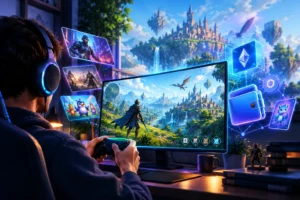
Ask a non-crypto gamer to set up a wallet, buy some ETH, and sign three transactions just to start playing, and you’ll lose them before they ever see the actual game. That friction killed more Web3 titles than bad gameplay ever did. So in 2026, the games actually pulling in real players have quietly changed the deal. Hybrid Web3 gaming lets you play like it’s any other Web2 title, no wallet, no gas fees, no crypto jargon, while still offering real blockchain ownership underneath for anyone who wants it. It’s a smarter version of the shift we broke down in our piece on how GameFi is reshaping the future of gaming, and it’s quickly becoming the model every serious studio is copying.
What Hybrid Web3 Gaming Actually Looks Like
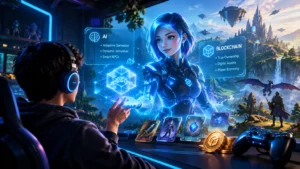
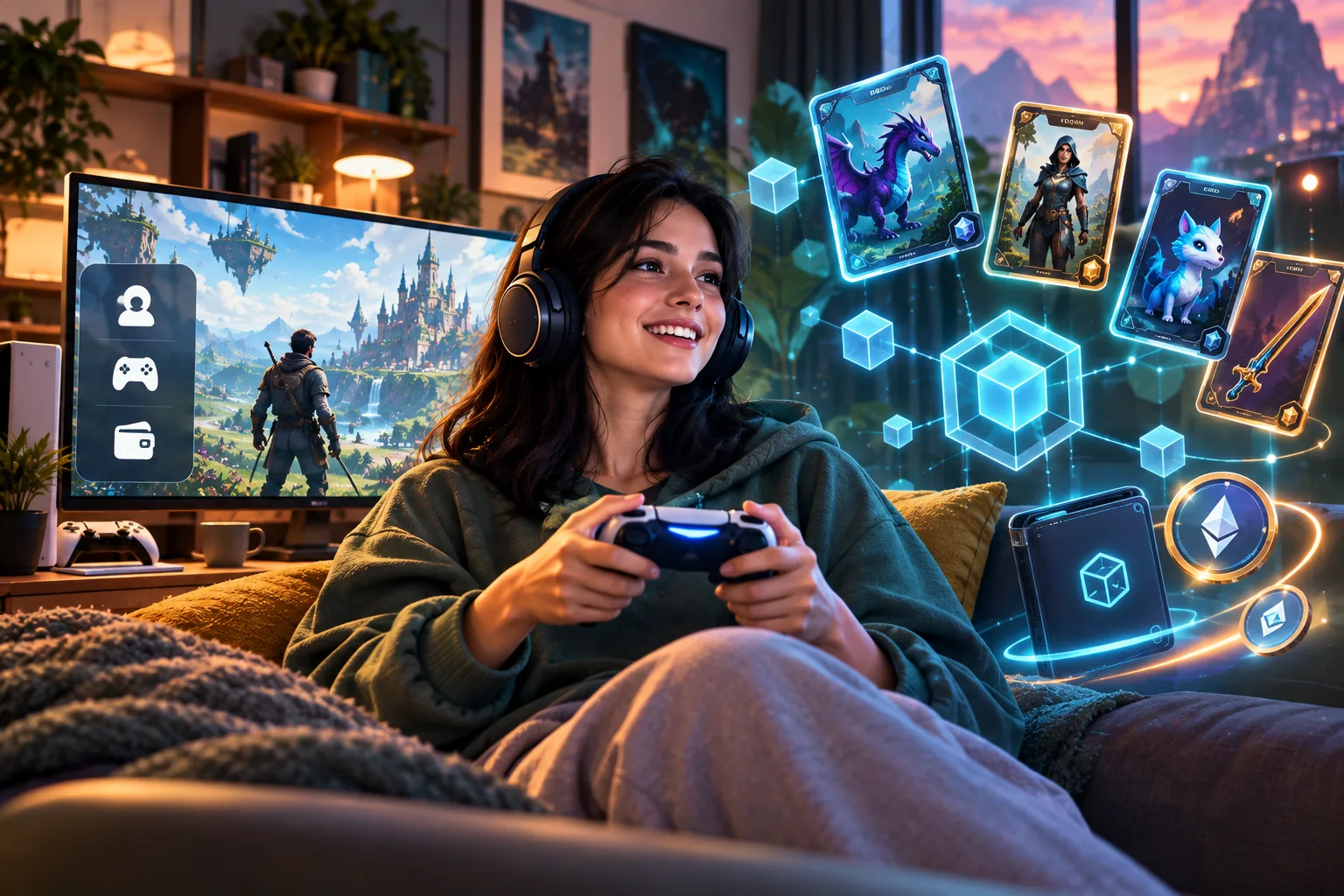
The formula is simpler than it sounds. A hybrid Web3 gaming title runs entirely on familiar Web2 rails by default: browser or app download, email or social login, no crypto knowledge required to start playing. The blockchain layer sits quietly in the background, ready for players who want to claim real ownership of their items, trade them externally, or carry them into other games, but it’s never forced on anyone. You can enjoy the whole game without ever touching a wallet, and opt into ownership later once you actually care enough to bother.
Real Hybrid Web3 Gaming Titles Proving the Model Works
Anichess is probably the strongest proof point out there right now. Built by Animoca Brands in partnership with Chess.com, it’s a chess-strategy hybrid that has pulled in more than one million registered players, almost entirely on the strength of its gameplay rather than any token incentive. Olderfall and Parallel TCG follow a similar playbook, running smoothly in a browser or on mobile with no wallet setup required before jumping in. DATAHunter took the idea even further with its PSG1 handheld console, which ships with a built-in wallet but is designed to feel like a familiar gaming device first, not a crypto trading terminal. If you’re weighing whether a hybrid title like these is actually worth your time or money, it’s worth running it through the same checklist in our guide to how to start earning in Web3 games, since not every game claiming to be “hybrid” delivers a real ownership layer once you dig in.
Why Hybrid Web3 Gaming Is Outperforming Pure Play-to-Earn
The old play-to-earn model needed a constant stream of new buyers to keep paying out existing players, and that math eventually broke down everywhere it was tried. Hybrid Web3 gaming doesn’t lean on that same fragile loop. Because the core game is genuinely fun to play without any token involved, players stick around even when reward values dip, and studios aren’t forced to inflate their way out of a shrinking economy just to keep people logged in. Off The Grid is a good example of this playing out in practice: it topped Epic Games Store charts before its token even launched, proof that the gameplay alone was strong enough to carry the title.
What This Means for Players Trying Hybrid Web3 Gaming for the First Time
If you’ve been curious about Web3 gaming but put off by wallets and gas fees, hybrid titles are the easiest on-ramp available right now. You can download the game, play it exactly like any other title, and only deal with the blockchain side once you’ve decided the game is actually worth your time. That’s a much lower-risk way to dip a toe in than the old model ever offered, where you often had to buy an NFT before you even knew if the game was any good.
The Bottom Line on Hybrid Web3 Gaming
Hybrid Web3 gaming isn’t a compromise, it’s the version of blockchain gaming that finally makes sense for how most people actually want to play. Studios spent years assuming players wanted to be crypto users first and gamers second. Turns out it was the other way around all along. As one recent industry breakdown put it, wallet-free play paired with real ownership is what’s actually driving engagement in 2026’s strongest titles, and that trend shows no signs of slowing down.
Quick FAQ
Do I need a crypto wallet to play a hybrid Web3 game?
No. Hybrid Web3 gaming titles are designed to be fully playable without one. A wallet only becomes relevant if you choose to claim ownership of in-game assets later.
Is hybrid Web3 gaming just a marketing term, or is it a real design shift?
It’s a real shift. Games like Anichess and Off The Grid built genuine player bases on gameplay alone before blockchain features were fully layered in, which is a fundamentally different approach than the token-first titles of previous years.