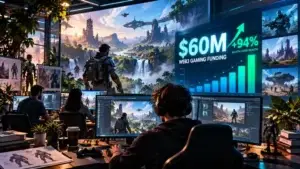
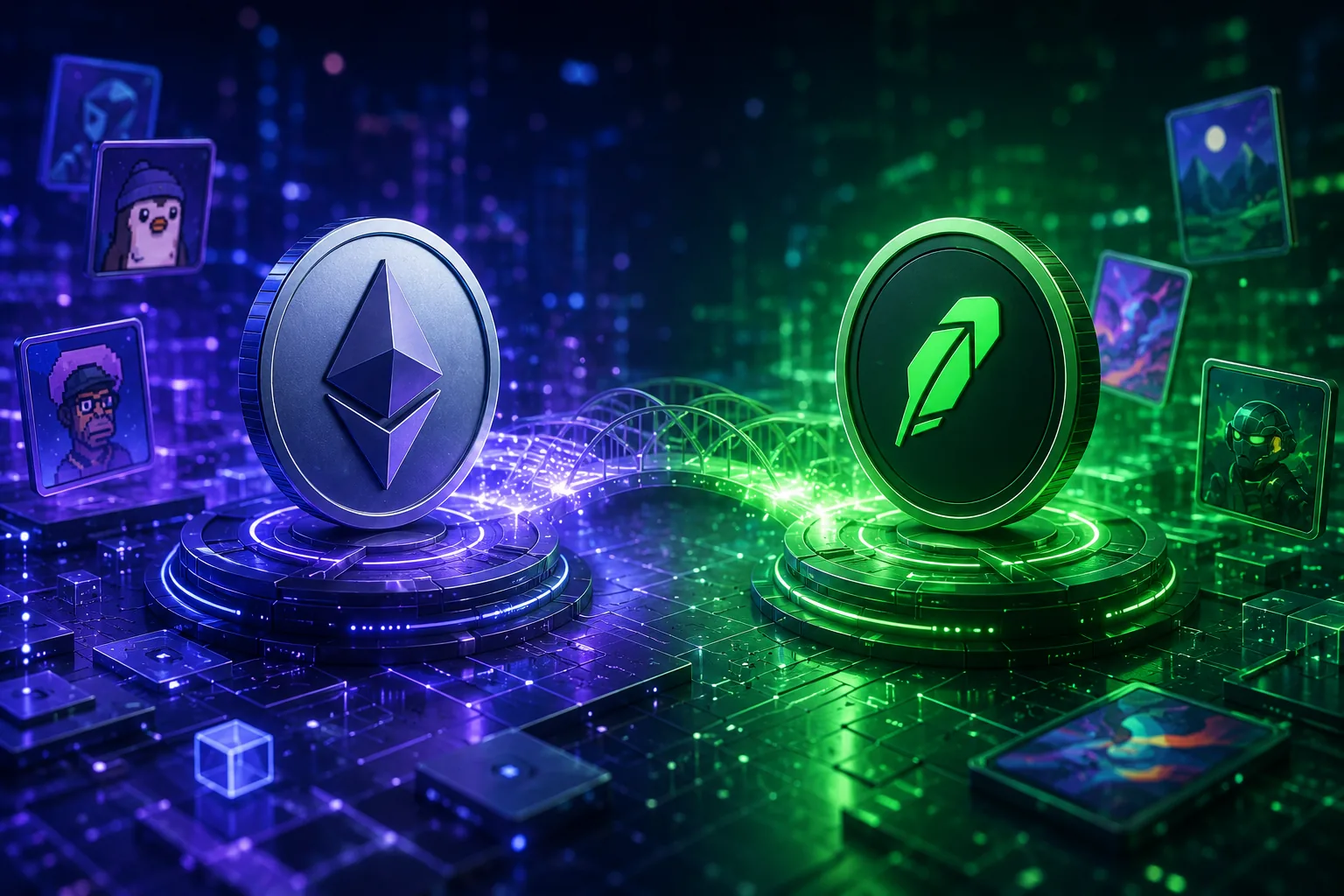
Robinhood Chain is turning heads in the NFT space after briefly overtaking Ethereum in daily trading volume. The surge shows how quickly attention can shift toward new blockchain networks. For Web3 gaming, it could also signal new opportunities for game assets, digital collectibles, and player-owned economies. The bigger question is whether this momentum can last.
Why Robinhood Chain Matters for Web3 Gaming
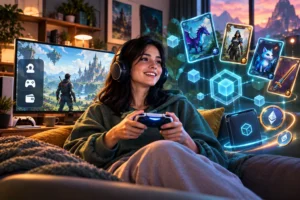
The development is particularly relevant to Web3 gaming, where NFTs are used for in-game assets, digital collectibles, characters, and player-owned economies. Growing NFT liquidity can make a blockchain more attractive to developers looking to build blockchain games and digital economies.
Robinhood Chain’s recent activity is not primarily associated with established Web3 games, with much of the reported volume linked to broader NFT and collectible activity. Nevertheless, increased network adoption could create opportunities for gaming projects if user activity and liquidity continue to grow.
Robinhood Chain Expands Its NFT Trading
Robinhood Chain is an Ethereum Layer 2 built using Arbitrum technology, giving it access to Ethereum’s broader infrastructure while aiming to provide a scalable environment for on-chain applications.
Its integration with OpenSea has further expanded access to the network’s NFT ecosystem. Users can discover, mint, buy, and sell NFTs on Robinhood Chain through an established marketplace.
For Web3 game developers, marketplace accessibility is important because blockchain games depend on reliable infrastructure for players to discover and trade digital assets.
What Is Driving the NFT Volume?
The sudden increase in trading activity may be partly connected to FOMO, speculation, and interest in a newly emerging blockchain ecosystem. New networks can attract traders looking for early opportunities, resulting in rapid increases in NFT sales and trading volume.
However, short-term volume does not necessarily translate into sustainable blockchain adoption. Continued crypto wallets activity, liquidity, active users, and new projects will be more important indicators of long-term growth.
Potential Impact on Web3 Gaming
If Robinhood Chain continues attracting users and liquidity, it could become another option for Web3 game development and NFT-based gaming economies. Layer 2 networks can be particularly useful for gaming because players may need to interact with digital assets more frequently than traditional NFT users.
For developers, factors such as transaction costs, marketplace support, liquidity, user experience, and community growth will all play a role in deciding whether a network is suitable for a blockchain gaming project.
Robinhood Chain vs. Ethereum: What Comes Next?
Robinhood Chain’s temporary lead in NFT trading volume should be viewed as an emerging Web3 trend, rather than a permanent shift in NFT market leadership. Ethereum continues to benefit from a mature ecosystem, established liquidity, and a large developer and user base.
The bigger question is whether Robinhood Chain can convert its early NFT momentum into sustained adoption.
If more NFT projects, Web3 games, developers, and users continue moving onto the network, Robinhood Chain could become a more significant player in the expanding blockchain gaming and digital-asset market.
For now, its NFT volume surge shows that competition between blockchain ecosystems is intensifying and that the next phase of Web3 gaming adoption could extend beyond the networks that have historically dominated the market,with platforms such as OpenSea already supporting Robinhood Chain.